If you’ve just been arrested for a first offense DUI in Michigan, you’re probably running through worst-case scenarios right now. Losing your license. Losing your job. Going to jail. Telling your family. My team and I have handled Michigan first offense DUI cases for more than 30 years, and one of the most important things we want you to understand is this: the worst-case scenario is rarely what actually happens — especially when you have the right lawyer handling your case from the start.

A first offense DUI in Michigan is a serious charge, but it’s far from the end of the world. “Serious” does not mean hopeless. It means you need someone who knows exactly what to look for, what to challenge, and how to navigate the system in a way that protects you and your interests. The goal in every case is to get the whole thing dismissed — and when the evidence makes that unrealistic, to avoid as many of the potential legal penalties and negative consequences as possible.

Our firm lives by the motto that “success in a DUI case is best measured by what does NOT happen to you.”

What a Michigan First Offense DUI Actually Means

Michigan’s DUI law — formally called Operating While Intoxicated, or OWI — covers three different first-offense charges, and which one you’re facing matters a great deal.

The standard OWI charge applies when your blood alcohol content (BAC) was .08 or higher, or when there’s evidence that alcohol or drugs impaired your ability to drive regardless of your BAC. It’s a misdemeanor. The potential penalties include up to 93 days in jail, fines, community service, probation, and a license suspension.

Those, however, are the maximums the law allows, not what most people wind up getting. What happens in your specific case depends heavily on the facts, the court, the prosecutor, and the quality of your defense.

The High BAC charge — often called “Super Drunk” — applies when your BAC was .17 or higher. This is a more serious first-offense charge with steeper penalties, including up to 180 days in jail and a one-year license suspension. It also comes with mandatory use of an ignition interlock device on your vehicle. If this is the charge you’re facing, you can read more about how my team and I approach High BAC cases specifically.

There’s also a lesser charge called OWVI — Operating While Visibly Impaired. The penalties are lower, and the license consequences are less severe. Few people face this as their initial charge. However, when the evidence is strong in OWI and High BAC cases, it’s often what we work toward through negotiation to reduce the fallout for our clients.

What My Team Actually Looks For in a First Offense Case

Most people charged with a first offense DUI were drinking. That’s just reality, and there’s no point pretending otherwise. What matters legally isn’t whether you had been drinking — it’s whether the evidence against you was gathered properly, whether the stop was legal, and whether the prosecution can legally prove its case beyond a reasonable doubt.

That’s where my team starts on every case. We go back to the beginning — why did the officer pull you over in the first place? Was there a lawful basis for the stop, or was it a pretext stop that shouldn’t have happened? It’s often where the most important opportunities in a case either exist — or not.

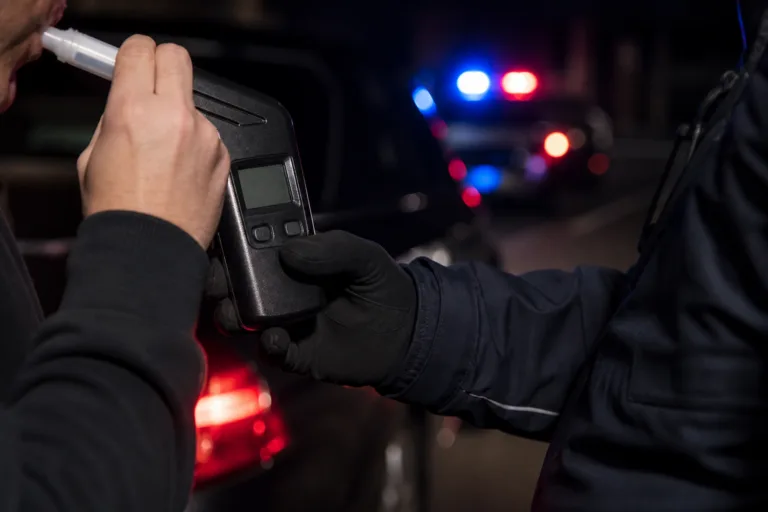
From there, we look at everything: the field sobriety tests (were they administered correctly, on appropriate terrain, by an officer who was properly trained?), the breathalyzer or blood test (was the equipment calibrated, were evidence handling procedures followed, and was there anything that could have skewed the result?), and the dash cam and body cam footage. Video often has a way of telling a different story than the police report.

When we find legitimate issues, we use them — to challenge evidence, to negotiate a reduced charge, and sometimes to get the whole case dismissed outright. When the evidence is strong and there’s no viable challenge, we’re honest about that too. We’ll tell you what’s realistic and help you navigate the outcome in a way that does the least possible damage to your life.

What Happens to Your License After a First Offense DUI

For most people charged with a first offense DUI, the license question is right at the top of the list. Here’s how it actually works.

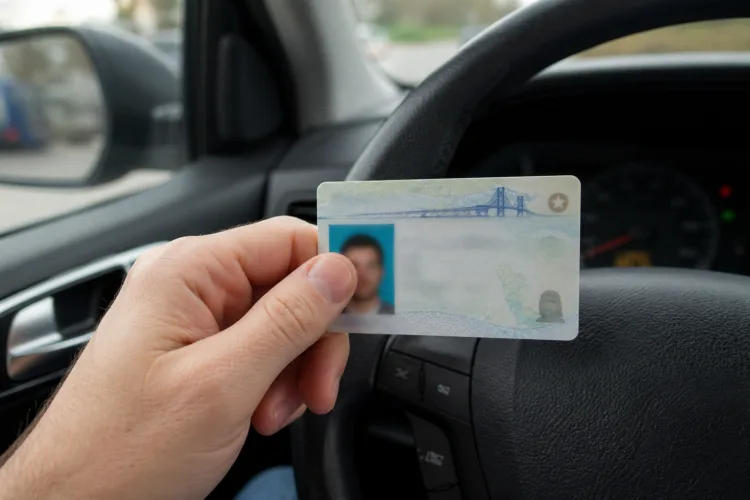
Michigan first offense DUI license suspension attorney

A standard OWI conviction results in a 30-day hard suspension — no driving at all — followed by 150 days on a restricted license that allows driving for work, school, medical appointments, and similar purposes.

A High BAC conviction brings a 45-day hard suspension followed by a one-year restricted period, and you’ll need an ignition interlock device installed before you can drive on the restricted license.

An OWVI conviction carries a 90-day restricted license with no hard suspension at all.

There’s also the separate issue of a chemical test refusal. If you refused the breath or blood test at the time of your arrest, Michigan’s implied consent law triggers an automatic one-year license suspension through the Secretary of State — independent of anything that happens in the criminal case. Our firm handles these matters regularly, and the window to appeal is short, so it’s important to raise this with us right away if it applies to you.

Because my team and I also handle driver’s license restoration cases, we understand both sides of the picture — what the conviction means for your license now, and what it could mean down the road if you end up with a second offense and a revocation. Getting it right the first time matters more than most people realize.

What Courts Do with First Offense Cases — and Why It Matters

Michigan courts take a “better safe than sorry” approach to DUI cases — even at the first offense level. Many judges treat every DUI as if it signals a potential alcohol problem, and probation conditions often reflect that — mandatory substance use evaluations, counseling requirements, and random testing. The problem is that courts frequently apply these conditions across the board, whether or not the circumstances genuinely warrant them.

Part of what my team and I do is push back on that when it’s not warranted. If a client does not need counseling or treatment, we know how to demonstrate that. Mandatory, expensive counseling that serves no clinical purpose isn’t justice — it’s just punishment for its own sake.

On the other hand, if there is any kind of issue with alcohol that’s worth addressing, we can help you navigate that in a way that actually supports your case rather than working against you.

The court process itself moves through arraignment, pre-trial conferences, and — in most first-offense cases — resolution through a plea or sentence agreement rather than a trial. How that resolution looks depends entirely on what we find in the evidence and how effectively we use it. That’s why who you hire, and how quickly you get them working on your case, makes a real difference.

Talk to My Team About Your First Offense DUI

If you’re facing a Michigan first offense DUI charge in Wayne, Oakland, Macomb, or the surrounding counties, my team and I are ready to talk with you about where things stand and what your options are. Our consultations are free, confidential, and done over the phone right when you call. Whoever picks up will be glad to answer your questions and give you an honest picture of what you’re facing — no sugarcoating, but no pressure either.

Call us at 586-465-1980, use the contact form on our website, or start a conversation in the chat box. You can also learn more about our approach on our DUI defense overview page.
First Offense DUI

If you’ve just been arrested for a first offense DUI in Michigan, you’re probably running through worst-case scenarios right now. Losing your license. Losing your job. Going to jail. Telling your family. My team and I have handled Michigan first offense DUI cases for more than 30 years, and one of the most important things we want you to understand is this: the worst-case scenario is rarely what actually happens — especially when you have the right lawyer handling your case from the start.

A first offense DUI in Michigan is a serious charge, but it’s far from the end of the world. “Serious” does not mean hopeless. It means you need someone who knows exactly what to look for, what to challenge, and how to navigate the system in a way that protects you and your interests. The goal in every case is to get the whole thing dismissed — and when the evidence makes that unrealistic, to avoid as many of the potential legal penalties and negative consequences as possible.

Our firm lives by the motto that “success in a DUI case is best measured by what does NOT happen to you.”

What a Michigan First Offense DUI Actually Means

Michigan’s DUI law — formally called Operating While Intoxicated, or OWI — covers three different first-offense charges, and which one you’re facing matters a great deal.

The standard OWI charge applies when your blood alcohol content (BAC) was .08 or higher, or when there’s evidence that alcohol or drugs impaired your ability to drive regardless of your BAC. It’s a misdemeanor. The potential penalties include up to 93 days in jail, fines, community service, probation, and a license suspension.

Those, however, are the maximums the law allows, not what most people wind up getting. What happens in your specific case depends heavily on the facts, the court, the prosecutor, and the quality of your defense.

The High BAC charge — often called “Super Drunk” — applies when your BAC was .17 or higher. This is a more serious first-offense charge with steeper penalties, including up to 180 days in jail and a one-year license suspension. It also comes with mandatory use of an ignition interlock device on your vehicle. If this is the charge you’re facing, you can read more about how my team and I approach High BAC cases specifically.

There’s also a lesser charge called OWVI — Operating While Visibly Impaired. The penalties are lower, and the license consequences are less severe. Few people face this as their initial charge. However, when the evidence is strong in OWI and High BAC cases, it’s often what we work toward through negotiation to reduce the fallout for our clients.

What My Team Actually Looks For in a First Offense Case

Most people charged with a first offense DUI were drinking. That’s just reality, and there’s no point pretending otherwise. What matters legally isn’t whether you had been drinking — it’s whether the evidence against you was gathered properly, whether the stop was legal, and whether the prosecution can legally prove its case beyond a reasonable doubt.

That’s where my team starts on every case. We go back to the beginning — why did the officer pull you over in the first place? Was there a lawful basis for the stop, or was it a pretext stop that shouldn’t have happened? It’s often where the most important opportunities in a case either exist — or not.

From there, we look at everything: the field sobriety tests (were they administered correctly, on appropriate terrain, by an officer who was properly trained?), the breathalyzer or blood test (was the equipment calibrated, were evidence handling procedures followed, and was there anything that could have skewed the result?), and the dash cam and body cam footage. Video often has a way of telling a different story than the police report.

When we find legitimate issues, we use them — to challenge evidence, to negotiate a reduced charge, and sometimes to get the whole case dismissed outright. When the evidence is strong and there’s no viable challenge, we’re honest about that too. We’ll tell you what’s realistic and help you navigate the outcome in a way that does the least possible damage to your life.

What Happens to Your License After a First Offense DUI

For most people charged with a first offense DUI, the license question is right at the top of the list. Here’s how it actually works.

Michigan first offense DUI license suspension attorney

A standard OWI conviction results in a 30-day hard suspension — no driving at all — followed by 150 days on a restricted license that allows driving for work, school, medical appointments, and similar purposes.

A High BAC conviction brings a 45-day hard suspension followed by a one-year restricted period, and you’ll need an ignition interlock device installed before you can drive on the restricted license.

An OWVI conviction carries a 90-day restricted license with no hard suspension at all.

There’s also the separate issue of a chemical test refusal. If you refused the breath or blood test at the time of your arrest, Michigan’s implied consent law triggers an automatic one-year license suspension through the Secretary of State — independent of anything that happens in the criminal case. Our firm handles these matters regularly, and the window to appeal is short, so it’s important to raise this with us right away if it applies to you.

Because my team and I also handle driver’s license restoration cases, we understand both sides of the picture — what the conviction means for your license now, and what it could mean down the road if you end up with a second offense and a revocation. Getting it right the first time matters more than most people realize.

What Courts Do with First Offense Cases — and Why It Matters

Michigan courts take a “better safe than sorry” approach to DUI cases — even at the first offense level. Many judges treat every DUI as if it signals a potential alcohol problem, and probation conditions often reflect that — mandatory substance use evaluations, counseling requirements, and random testing. The problem is that courts frequently apply these conditions across the board, whether or not the circumstances genuinely warrant them.

Part of what my team and I do is push back on that when it’s not warranted. If a client does not need counseling or treatment, we know how to demonstrate that. Mandatory, expensive counseling that serves no clinical purpose isn’t justice — it’s just punishment for its own sake.

On the other hand, if there is any kind of issue with alcohol that’s worth addressing, we can help you navigate that in a way that actually supports your case rather than working against you.

The court process itself moves through arraignment, pre-trial conferences, and — in most first-offense cases — resolution through a plea or sentence agreement rather than a trial. How that resolution looks depends entirely on what we find in the evidence and how effectively we use it. That’s why who you hire, and how quickly you get them working on your case, makes a real difference.

Talk to My Team About Your First Offense DUI

If you’re facing a Michigan first offense DUI charge in Wayne, Oakland, Macomb, or the surrounding counties, my team and I are ready to talk with you about where things stand and what your options are. Our consultations are free, confidential, and done over the phone right when you call. Whoever picks up will be glad to answer your questions and give you an honest picture of what you’re facing — no sugarcoating, but no pressure either.

Call us at 586-465-1980, use the contact form on our website, or start a conversation in the chat box. You can also learn more about our approach on our DUI defense overview page.

Frequently Asked Questions

What happens after a first DUI arrest in Michigan?

Following a first-offense DUI arrest in Michigan, the initial phase involves chemical testing. This procedure mandates either blood testing, typically conducted at a medical facility, or breath testing, administered at the police station. Upon completion of chemical testing, the individual is transported to the police station for official booking and processing.

Subsequently, the court will issue a formal notice detailing the date and time of the arraignment, the first formal court appearance. This notice is commonly delivered via mail. At the arraignment, a plea of “not guilty” is formally entered, initiating the defense process. From that critical juncture, our legal strategy focuses intensely on the pre-trial phase.

Will I go to jail for my first DUI in Michigan?

While jail is possible, we can usually prevent that rather easily for first-time DUI offenders in Detroit. Courts in Macomb, Oakland, Wayne, and other surrounding counties will impose fines and probation with certain conditions. In addition, the court can also order you to complete community service and/or an alcohol education or counseling program, depending on your BAC, your record, and the facts surrounding your arrest.

Can a first DUI be reduced or dismissed in Michigan?

Yes. A first DUI may be reduced to a lesser charge, such as OWVI, if the evidence is weak or procedural errors occurred. In some cases, we can even negotiate an OWI charge down to a non-alcohol-related traffic offense.

Dismissals are possible when the evidence, like the stop, chemical tests, or circumstances of your arrest, was not legally sound.