
Michigan DUI Laws and Regulations

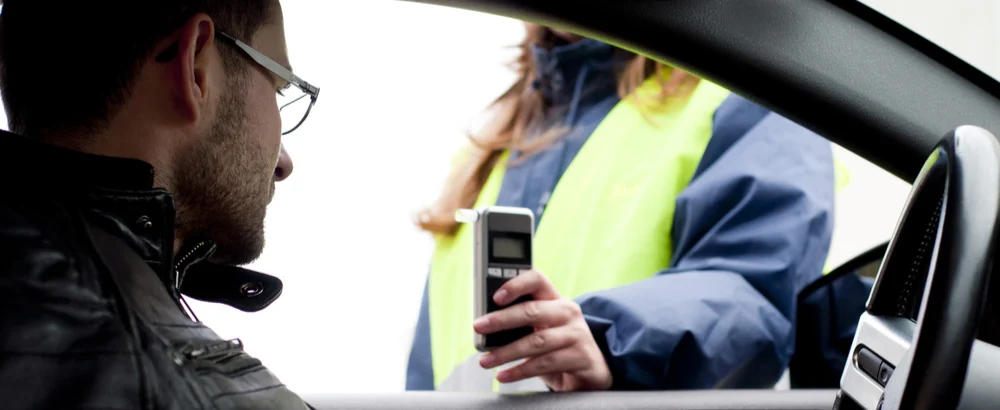
Driver in car looks at officer holding a breathalyzer device during DUI checkpoint
Share on Facebook
Share on X
Share on LinkedIn

Michigan’s traffic and driving under the influence (DUI) laws are intended to promote roadway safety. If you have been charged with a drunk driving offense, your first step should be to understand Michigan DUI laws and process with the help of an attorney. With the right approach and legal guidance, you can fight your charges and potentially have them dropped or reduced.

Understanding Michigan’s OWI Laws

Intoxicated drivers are a serious public safety concern in Michigan. In 2023, there were 8,817 alcohol-involved crashes in the Great Lakes State.

While other states commonly refer to driving while drunk as DUI, Michigan uses the term OWI (Operating While Intoxicated, or “OWI” for short).

Anyone who drives with a blood alcohol content (BAC) of 0.08% or higher can be arrested for a DUI under Michigan’s DUI laws. The same applies to anyone who is visibly impaired by alcohol or drugs.

Michigan does have several other categories of OWI offenses:

  • OWVI (operating while Visibly Impaired) is another type of impairment that doesn’t require a BAC of 0.08%. It is a less severe offense than OWI
  • OUID (Operating Under the Influence of Drugs, but it’s often just written up as “OWI”) applies when there is a detectable level of drugs in the driver’s system that caused him or her to operate the vehicle in less than a normal manner.
  • OWI With a BAC of .17 or Greater (usually called “High BAC,” and sometimes called “Super Drunk”) applies when drivers have a blood alcohol content of 0.17% or higher and exposes the driver to the harshest first offense OWI-related penalties in the state.

Penalties for OWI in Michigan: What You Need to Know

Even a first-time OWI can lead to serious penalties. For example, anyone who refuses a breathalyzer test faces an automatic license suspension, even if they are not ultimately convicted of a DUI.

A conviction for OWI when the driver’s BAC is below 0.17% can lead to fines, jail time (of course, our first job is to avoid that), community service, a driver’s license suspension, and points on the person’s driving record.

As noted, when BAC is above 0.17%, the penalties increase considerably. A conviction for High BAC carries a potential sentence of up to 6 months in jail, fines, community service, license suspension, mandatory alcohol treatment programs, and the use of an ignition interlock device.

As we’ll see below, the penalties really ramp up for 2nd and 3rd offense DUI’s.

Michigan takes OWI crimes seriously. Around 40% of fatal crashes in Michigan involve a driver who is under the influence of drugs or alcohol.

Visitors from out of state face the same penalties and compliance requirements as Michigan residents. Michigan has over 7.2 million licensed drivers and welcomes around 30 million visitors annually.

Anyone arrested for drunk driving, whether a resident or not, needs an experienced Michigan DUI lawyer to help them navigate the DUI court process.

Zero-Tolerance Laws for Underage 21 Drivers

Zero-tolerance laws prohibit underage drivers from having any measurable alcohol in their system. In Michigan, drivers under 21 years old cannot operate a vehicle with a BAC of 0.02% or higher, even if they do not appear impaired. This law is stricter than standard OWI regulations, which require a BAC of 0.08% or visible impairment.

Anyone under 21 who is found driving with a BAC of 0.08% or higher will receive an adult DUI (OWI) charge.

FAQs

What Is the Penalty for a DUI in Michigan?

Michigan DUI penalties vary based on case specifics and whether you have any prior convictions. Also, it is important to note that location plays a HUGE role in how things ultimately turn out. Every court is different; some are “tougher,” while others are more “understanding.”

Below are the maximum potential legal penalties for the various OWI offenses. Fortunately, the actual penalties imposed are almost always different (and, fortunately, less than) the maximums allowed by law.

First Offense OWI, UBAL, OWVI or OUID:

  • Up to 93 days in jail
  • 6 months suspended license: 1st 30 days no driving, remaining 5 months -restricted driving allowed
  • Up to $500 in fines, plus costs
  • Community service of up to 360 hours
  • 6 Points added to driving record

OWI with BAC of .17 or more (High BAC):

  • Up to 180 days in jail
  • Fine of $200 to $700, plus costs
  • 1 year license suspension with restricted driving allowed after 45 days with ignition interlock unit
  • Community service of up to 360 hours
  • Possible vehicle immobilization for up to 180 days
  • Mandatory alcohol treatment program
  • 6 points added to driving record

OWVI (Operating While Visibly Impaired):

  • Up to 93 days in jail
  • Restricted driving for 90 days
  • Up to $300 in fines, plus costs
  • Community service for up to 360 hours
  • 4 Points added to driving record

Second Offense OWI, UBAL, or OUID:

  • 5 days to 1 year in jail, OR
  • Probation, with 30 to 90 days community service
  • License REVOKED for a minimum of 1 year (unless admitted to a Sobriety Court program)
  • $200 to $1000 fine, plus costs
  • License plate confiscation
  • Immobilization of vehicle from 90 to 180 days, unless it is forfeited
  • 6 Points added to driving record

Third Offense OWI, UBAL, or OUID:

  • 1 to 5 years in the state prison, OR
  • 30 days to 1 year in the county jail (unless admitted to a specialty court program, like Sobriety Court)
  • Mandatory probation
  • License revoked for minimum of 5 years (unless admitted to a Sobriety Court program)
  • $500 to $5000 fine, plus costs
  • 60 to 180 days community service
  • License plate confiscation
  • Possible vehicle forfeiture
  • Vehicle immobilization 1 to 3 years unless vehicle is forfeited
  • Registration denial
  • 6 points added to driving record

Are There New Laws for DUI in Michigan?

Yes, Michigan’s DUI laws are updated periodically. Recent changes allow for the expungement of some first-time DUI convictions under specific conditions. Additionally, penalties are sometimes increased, especially for high BAC offenses and repeat offenders. Legal updates may impact license reinstatement timelines and eligibility.

Do You Lose Your License Immediately After a DUI in Michigan?

No, your license is not immediately suspended or revoked after a DUI arrest in Michigan. However, refusing a breath or blood test under the state’s implied consent law can result in an automatic suspension rather quickly.

If convicted of a DUI offense, penalties may include suspension or revocation of your driver’s license, depending on the offense (see penalties, above). Reinstatement of a suspended license may require a court hearing and an ignition interlock device, especially for breath/blood test refusals or a conviction for a high BAC offense.

Restoration of a revoked license for repeat offenses requires filing and winning a formal driver’s license restoration appeal.

Schedule Your Michigan DUI Consultation Today

In a justice system where defendants are supposed to be presumed to be innocent until proven guilty, a DUI charge can come with a surprising number of hardships as your case plays out. The first step is to understand what you are charged with, what potential penalties you may face, and what can be done to protect you.

The key is to avoid as many of the legal penalties and negative consequences as possible. Ultimately, success in a DUI case is best measured by what does not happen to you.

At Jeffrey Randa and Associates, we know what you are going through, and the stress you feel about facing a DUI. We are good, honest lawyers who have always done what’s necessary to secure the most favorable outcome possible for our clients.

We are committed to providing personalized and effective legal representation to every case we take on, including yours. Your case is unique; your defense should be, as well.

Once hired, we will obtain and carefully examine all the evidence in your case. We’ll make sure to provide the best legal strategy for your case. Our team will guide to you the right kind of “help,” if necessary, to avoid the most serious punishments under the law.

Contact our Greater Detroit office today to discuss your case. We always provide a confidential and free consultation done over the phone – right when you call.

We are very friendly people who will be glad to answer your questions and explain the DUI process. We can be reached by phone, Monday through Friday, from 8:30 AM until 5:00 PM, at 586-465-1980. Of course, you can reach us by email anytime using the contact form.

About the Author
Jeff has been a practicing Michigan criminal lawyer, DUI attorney and driver’s license restoration lawyer for more than 30 years. He is passionate about winning and doing whatever it takes to accomplish that. He understands that a pending criminal or DUI charge is stressful and that being unable to legally drive is a huge problem.
Driver in car looks at officer holding a breathalyzer device during DUI checkpoint
Michigan DUI Laws and Regulations

Michigan’s traffic and driving under the influence (DUI) laws are intended to promote roadway safety. If you have been charged with a drunk driving offense, your first step should be to understand Michigan DUI laws and process with the help of an attorney. With the right approach and legal guidance, you can fight your charges and potentially have them dropped or reduced.

Understanding Michigan’s OWI Laws

Intoxicated drivers are a serious public safety concern in Michigan. In 2023, there were 8,817 alcohol-involved crashes in the Great Lakes State.

While other states commonly refer to driving while drunk as DUI, Michigan uses the term OWI (Operating While Intoxicated, or “OWI” for short).

Anyone who drives with a blood alcohol content (BAC) of 0.08% or higher can be arrested for a DUI under Michigan’s DUI laws. The same applies to anyone who is visibly impaired by alcohol or drugs.

Michigan does have several other categories of OWI offenses:

  • OWVI (operating while Visibly Impaired) is another type of impairment that doesn’t require a BAC of 0.08%. It is a less severe offense than OWI
  • OUID (Operating Under the Influence of Drugs, but it’s often just written up as “OWI”) applies when there is a detectable level of drugs in the driver’s system that caused him or her to operate the vehicle in less than a normal manner.
  • OWI With a BAC of .17 or Greater (usually called “High BAC,” and sometimes called “Super Drunk”) applies when drivers have a blood alcohol content of 0.17% or higher and exposes the driver to the harshest first offense OWI-related penalties in the state.

Penalties for OWI in Michigan: What You Need to Know

Even a first-time OWI can lead to serious penalties. For example, anyone who refuses a breathalyzer test faces an automatic license suspension, even if they are not ultimately convicted of a DUI.

A conviction for OWI when the driver’s BAC is below 0.17% can lead to fines, jail time (of course, our first job is to avoid that), community service, a driver’s license suspension, and points on the person’s driving record.

As noted, when BAC is above 0.17%, the penalties increase considerably. A conviction for High BAC carries a potential sentence of up to 6 months in jail, fines, community service, license suspension, mandatory alcohol treatment programs, and the use of an ignition interlock device.

As we’ll see below, the penalties really ramp up for 2nd and 3rd offense DUI’s.

Michigan takes OWI crimes seriously. Around 40% of fatal crashes in Michigan involve a driver who is under the influence of drugs or alcohol.

Visitors from out of state face the same penalties and compliance requirements as Michigan residents. Michigan has over 7.2 million licensed drivers and welcomes around 30 million visitors annually.

Anyone arrested for drunk driving, whether a resident or not, needs an experienced Michigan DUI lawyer to help them navigate the DUI court process.

Zero-Tolerance Laws for Underage 21 Drivers

Zero-tolerance laws prohibit underage drivers from having any measurable alcohol in their system. In Michigan, drivers under 21 years old cannot operate a vehicle with a BAC of 0.02% or higher, even if they do not appear impaired. This law is stricter than standard OWI regulations, which require a BAC of 0.08% or visible impairment.

Anyone under 21 who is found driving with a BAC of 0.08% or higher will receive an adult DUI (OWI) charge.

FAQs

What Is the Penalty for a DUI in Michigan?

Michigan DUI penalties vary based on case specifics and whether you have any prior convictions. Also, it is important to note that location plays a HUGE role in how things ultimately turn out. Every court is different; some are “tougher,” while others are more “understanding.”

Below are the maximum potential legal penalties for the various OWI offenses. Fortunately, the actual penalties imposed are almost always different (and, fortunately, less than) the maximums allowed by law.

First Offense OWI, UBAL, OWVI or OUID:

  • Up to 93 days in jail
  • 6 months suspended license: 1st 30 days no driving, remaining 5 months -restricted driving allowed
  • Up to $500 in fines, plus costs
  • Community service of up to 360 hours
  • 6 Points added to driving record

OWI with BAC of .17 or more (High BAC):

  • Up to 180 days in jail
  • Fine of $200 to $700, plus costs
  • 1 year license suspension with restricted driving allowed after 45 days with ignition interlock unit
  • Community service of up to 360 hours
  • Possible vehicle immobilization for up to 180 days
  • Mandatory alcohol treatment program
  • 6 points added to driving record

OWVI (Operating While Visibly Impaired):

  • Up to 93 days in jail
  • Restricted driving for 90 days
  • Up to $300 in fines, plus costs
  • Community service for up to 360 hours
  • 4 Points added to driving record

Second Offense OWI, UBAL, or OUID:

  • 5 days to 1 year in jail, OR
  • Probation, with 30 to 90 days community service
  • License REVOKED for a minimum of 1 year (unless admitted to a Sobriety Court program)
  • $200 to $1000 fine, plus costs
  • License plate confiscation
  • Immobilization of vehicle from 90 to 180 days, unless it is forfeited
  • 6 Points added to driving record

Third Offense OWI, UBAL, or OUID:

  • 1 to 5 years in the state prison, OR
  • 30 days to 1 year in the county jail (unless admitted to a specialty court program, like Sobriety Court)
  • Mandatory probation
  • License revoked for minimum of 5 years (unless admitted to a Sobriety Court program)
  • $500 to $5000 fine, plus costs
  • 60 to 180 days community service
  • License plate confiscation
  • Possible vehicle forfeiture
  • Vehicle immobilization 1 to 3 years unless vehicle is forfeited
  • Registration denial
  • 6 points added to driving record

Are There New Laws for DUI in Michigan?

Yes, Michigan’s DUI laws are updated periodically. Recent changes allow for the expungement of some first-time DUI convictions under specific conditions. Additionally, penalties are sometimes increased, especially for high BAC offenses and repeat offenders. Legal updates may impact license reinstatement timelines and eligibility.

Do You Lose Your License Immediately After a DUI in Michigan?

No, your license is not immediately suspended or revoked after a DUI arrest in Michigan. However, refusing a breath or blood test under the state’s implied consent law can result in an automatic suspension rather quickly.

If convicted of a DUI offense, penalties may include suspension or revocation of your driver’s license, depending on the offense (see penalties, above). Reinstatement of a suspended license may require a court hearing and an ignition interlock device, especially for breath/blood test refusals or a conviction for a high BAC offense.

Restoration of a revoked license for repeat offenses requires filing and winning a formal driver’s license restoration appeal.

Schedule Your Michigan DUI Consultation Today

In a justice system where defendants are supposed to be presumed to be innocent until proven guilty, a DUI charge can come with a surprising number of hardships as your case plays out. The first step is to understand what you are charged with, what potential penalties you may face, and what can be done to protect you.

The key is to avoid as many of the legal penalties and negative consequences as possible. Ultimately, success in a DUI case is best measured by what does not happen to you.

At Jeffrey Randa and Associates, we know what you are going through, and the stress you feel about facing a DUI. We are good, honest lawyers who have always done what’s necessary to secure the most favorable outcome possible for our clients.

We are committed to providing personalized and effective legal representation to every case we take on, including yours. Your case is unique; your defense should be, as well.

Once hired, we will obtain and carefully examine all the evidence in your case. We’ll make sure to provide the best legal strategy for your case. Our team will guide to you the right kind of “help,” if necessary, to avoid the most serious punishments under the law.

Contact our Greater Detroit office today to discuss your case. We always provide a confidential and free consultation done over the phone – right when you call.

We are very friendly people who will be glad to answer your questions and explain the DUI process. We can be reached by phone, Monday through Friday, from 8:30 AM until 5:00 PM, at 586-465-1980. Of course, you can reach us by email anytime using the contact form.

About the Author
Jeff has been a practicing Michigan criminal lawyer, DUI attorney and driver’s license restoration lawyer for more than 30 years. He is passionate about winning and doing whatever it takes to accomplish that. He understands that a pending criminal or DUI charge is stressful and that being unable to legally drive is a huge problem.
Attorney Advertising
Website developed in accordance with Web Content Accessibility Guidelines 2.2.
If you encounter any issues while using this site, please contact us: 586.465.1980