

Winning an out-of-State Clearance of a Michigan “Hold”

Two businessmen in suits shaking hands over legal documents in an office.
Share on Facebook
Share on X
Share on LinkedIn

An “administrative review,” or license appeal by mail, is a risky proposition and that the Michigan Secretary of State’s  Office of Hearings and Administrative Oversight (OHAO) denies about 3 out of every 4 it receives. There is a much better way to win a clearance of the Michigan “hold” upon your driving record. Our firm removes the element of chance or risk from the decision to hire me by providing a first-time win guarantee. The bottom line is that if you hire us, we will win a clearance for you so that you can obtain (or renew) your license in your new state.

We win each of my clearance cases by doing everything correctly, right through your hearing. While not nearly as convenient as an administrative review, the final result, which is all that really matters, is that when we conduct a hearing, you will win your clearance the first time around. Best of all you don’t even have to come back to Michigan to get it done this way.

My team and I have perfected a system so that our out-of-state clients can basically do everyting from their couch, including having their substance abuse evaluation completed, and then, later going through the actual Michigan license appeal (clearance) hearing.

License appeals are hard. Michigan law directs that “The hearing officer shall not order that a license be issued to the petitioner unless the petitioner proves, by clear and convincing evidence, all of the following…” (Emphasis added).

This means the hearing officer is instructed to look for a reason or reasons to deny a license appeal or clearance case. The biggest mistake anyone makes is thinking that they’ve been without a license for too long, or that they somehow “deserve” it back, or that they’ve been punished enough. The Michigan Secretary of State’s entire and only concern in a license appeal is that a person’s “alcohol problem…is under control, and likely to remain under control.”

This translates to a person having to prove their sobriety, and that they are a safe bet to never drink again. The whole focus of the Michigan license appeal process is to not put someone who might ever drink again back behind the wheel.

The substance abuse evaluation, in that sense, is really the foundation of a license clearance case, and must, therefore, be “airtight.” The substance use evaluation is clinical document that includes a professional evaluator’s best opinion on the likelihood that the person will ever drink again, or not. If there is even the smallest doubt or imperfection within it, then it’s not “airtight” and the hearing officer must follow the law and deny the appeal.

If the hearing officer finds any problems with the substance use evaluation, he or she is required, by law to conclude that the person has not proven their case by “clear and convincing evidence.”

It is imperative, therefore, that we prepare our clients to do well on the evaluation, which is exactly why we spend the necessary time doing just that. We have a special “substance abuse evaluation checklist” form that we have developed, and that completed as we go throughthe official state substance abuse evaluation form, line by line, with each client. We make sure my the evaluator gets this information so that no detail is overlooked at any stage of the process.

We’ll also go over what needs to be done on the letters of support. The letters of support play a vital role in a license appeal or clearance case, and we take a very active role in editing and revising them so that they not only contain the information necessary to verify, in a consistent manner, the person’s abstinence, but also to make sure they don’t contain any information that can be adverse to our interests. The reader might be surprised to learn that proper editing of these letters involves deleting as much information as it does suggesting additions or revising them. This is not something that can be done casually or quickly.

Once we have checked and re-checked the substance use evaluation, and the letters of support have been revised and finalized (and signed and notarized), our office will file everything. Usually, it takes about 6 weeks to be notified of the hearing date, which is usually set another 2 weeks after the notice is received (meaning about 8 weeks after everything has been filed).

The notice of hearing will also identify the hearing officer who will be deciding the case. This allows us to not only “prep” each client for their hearing, in general, but also for the specific hearing officer who will ultimately be deciding their case.

That “prep” session, just like the substance use evaluation and the letters of support, is a critical process and must be done carefully. We normally spend about an hour with each client going over the questions that we’ll be asking at the hearing, as well as those that will be asked by the specific hearing officer to whom their case has been assigned.

This is, of course, a rather summary account of how we do things, but the end result is always the same: A guaranteed win, clearing the Michigan revocation or “hold” so that our client can either obtain or renew a license in another state.

About the Author
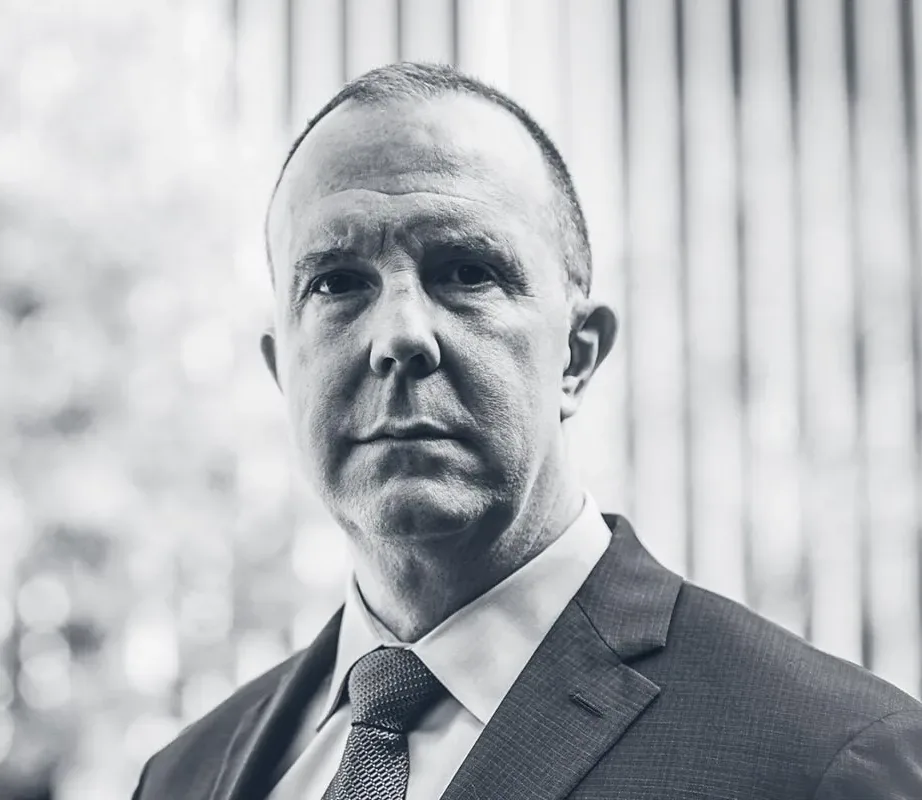
Jeff has been a practicing Michigan criminal lawyer, DUI attorney and driver’s license restoration lawyer for more than 30 years. He is passionate about winning and doing whatever it takes to accomplish that. He understands that a pending criminal or DUI charge is stressful and that being unable to legally drive is a huge problem.
Two businessmen in suits shaking hands over legal documents in an office.
Winning an out-of-State Clearance of a Michigan “Hold”

An “administrative review,” or license appeal by mail, is a risky proposition and that the Michigan Secretary of State’s  Office of Hearings and Administrative Oversight (OHAO) denies about 3 out of every 4 it receives. There is a much better way to win a clearance of the Michigan “hold” upon your driving record. Our firm removes the element of chance or risk from the decision to hire me by providing a first-time win guarantee. The bottom line is that if you hire us, we will win a clearance for you so that you can obtain (or renew) your license in your new state.

We win each of my clearance cases by doing everything correctly, right through your hearing. While not nearly as convenient as an administrative review, the final result, which is all that really matters, is that when we conduct a hearing, you will win your clearance the first time around. Best of all you don’t even have to come back to Michigan to get it done this way.

My team and I have perfected a system so that our out-of-state clients can basically do everyting from their couch, including having their substance abuse evaluation completed, and then, later going through the actual Michigan license appeal (clearance) hearing.

License appeals are hard. Michigan law directs that “The hearing officer shall not order that a license be issued to the petitioner unless the petitioner proves, by clear and convincing evidence, all of the following…” (Emphasis added).

This means the hearing officer is instructed to look for a reason or reasons to deny a license appeal or clearance case. The biggest mistake anyone makes is thinking that they’ve been without a license for too long, or that they somehow “deserve” it back, or that they’ve been punished enough. The Michigan Secretary of State’s entire and only concern in a license appeal is that a person’s “alcohol problem…is under control, and likely to remain under control.”

This translates to a person having to prove their sobriety, and that they are a safe bet to never drink again. The whole focus of the Michigan license appeal process is to not put someone who might ever drink again back behind the wheel.

The substance abuse evaluation, in that sense, is really the foundation of a license clearance case, and must, therefore, be “airtight.” The substance use evaluation is clinical document that includes a professional evaluator’s best opinion on the likelihood that the person will ever drink again, or not. If there is even the smallest doubt or imperfection within it, then it’s not “airtight” and the hearing officer must follow the law and deny the appeal.

If the hearing officer finds any problems with the substance use evaluation, he or she is required, by law to conclude that the person has not proven their case by “clear and convincing evidence.”

It is imperative, therefore, that we prepare our clients to do well on the evaluation, which is exactly why we spend the necessary time doing just that. We have a special “substance abuse evaluation checklist” form that we have developed, and that completed as we go throughthe official state substance abuse evaluation form, line by line, with each client. We make sure my the evaluator gets this information so that no detail is overlooked at any stage of the process.

We’ll also go over what needs to be done on the letters of support. The letters of support play a vital role in a license appeal or clearance case, and we take a very active role in editing and revising them so that they not only contain the information necessary to verify, in a consistent manner, the person’s abstinence, but also to make sure they don’t contain any information that can be adverse to our interests. The reader might be surprised to learn that proper editing of these letters involves deleting as much information as it does suggesting additions or revising them. This is not something that can be done casually or quickly.

Once we have checked and re-checked the substance use evaluation, and the letters of support have been revised and finalized (and signed and notarized), our office will file everything. Usually, it takes about 6 weeks to be notified of the hearing date, which is usually set another 2 weeks after the notice is received (meaning about 8 weeks after everything has been filed).

The notice of hearing will also identify the hearing officer who will be deciding the case. This allows us to not only “prep” each client for their hearing, in general, but also for the specific hearing officer who will ultimately be deciding their case.

That “prep” session, just like the substance use evaluation and the letters of support, is a critical process and must be done carefully. We normally spend about an hour with each client going over the questions that we’ll be asking at the hearing, as well as those that will be asked by the specific hearing officer to whom their case has been assigned.

This is, of course, a rather summary account of how we do things, but the end result is always the same: A guaranteed win, clearing the Michigan revocation or “hold” so that our client can either obtain or renew a license in another state.

About the Author
Jeff has been a practicing Michigan criminal lawyer, DUI attorney and driver’s license restoration lawyer for more than 30 years. He is passionate about winning and doing whatever it takes to accomplish that. He understands that a pending criminal or DUI charge is stressful and that being unable to legally drive is a huge problem.
Attorney Advertising
Website developed in accordance with Web Content Accessibility Guidelines 2.2.
If you encounter any issues while using this site, please contact us: 586.465.1980