
License Revoked for DUIs? The Process to Get It Back

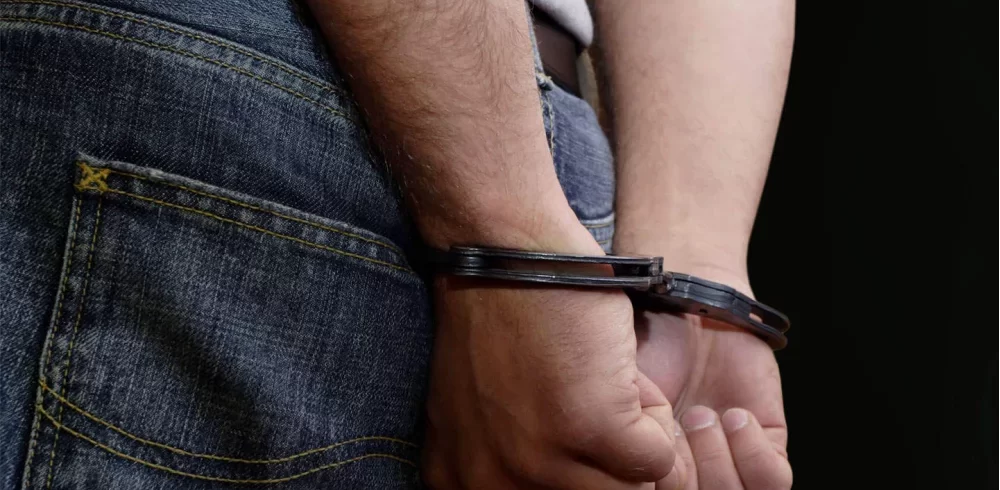
Close-up of person in jeans with hands cuffed behind their back.
Share on Facebook
Share on X
Share on LinkedIn

Losing your license after multiple DUIs affects your ability to work, care for your family, and manage daily responsibilities. Michigan has strict rules for anyone with two or more DUI convictions, and the state will not restore driving privileges until you demonstrate long-term sobriety and a commitment to remain alcohol- and drug-free. Below, we outline the steps and evidence the Secretary of State looks for when deciding whether to restore your driving privileges.

What Does It Mean When Your License Is Revoked in Michigan?

A revocation is not a temporary suspension. It is a complete termination of your driving privileges until you win a restoration appeal.

Michigan imposes mandatory revocation when:

  • You have two DUIs within 7 years, or
  • Three DUIs within 10 years

Once revoked, you must:

  • Wait the required revocation period
  • File for a restoration hearing
  • Prove your sobriety by clear and convincing evidence

How Long Do You Have to Wait Before Filing a License Appeal?

The waiting period depends on your record:

  • 1-year revocation for two DUI convictions
  • 5-year revocation for three DUI convictions

You cannot regain your license early. After the waiting period ends, you are only eligible to request a hearing, not guaranteed to win one.

What Do You Have to Prove to Win a License Restoration Case?

You might assume that needing to drive should matter. In reality, the state does not consider hardship. Michigan’s only question is whether you are a risk to reoffend.

To win, we must prove two key points:

  1. You have fully stopped using alcohol and drugs, including recreational marijuana.
  2. You intend to remain abstinent for life.

Because Michigan classifies anyone with multiple DUIs as a “habitual alcohol offender,” the Secretary of State begins every case with the assumption that an alcohol-use disorder exists. Your evidence must overcome that presumption.

What Evidence Helps Show Long-Term Sobriety?

A strong appeal package typically includes:

  • A detailed Substance Use Evaluation
  • Notarized support letters from people who know you well
  • Verified sobriety milestones, usually 18–24 months or more
  • Consistent lifestyle changes that support abstinence
  • Any available documentation of counseling or recovery programs, when applicable

Hearing officers look for real behavioral change. Any suggestion that you drink “occasionally,” “just on holidays,” or “only at home” results in an automatic denial.

What Happens During the Driver’s License Restoration Hearing?

The hearing is conducted through the Michigan Secretary of State’s Office of Hearings and Administrative Oversight (OHAO). At the hearing:

  • A hearing officer reviews your documents
  • You answer questions about your past use, recovery, support systems, and future plans
  • Your attorney helps present your history and case in a clear and consistent way

If approved, you typically receive a restricted license with an ignition interlock device for at least one year. After that, you may request full restoration. If you live out of state, you win what’s called a “clearance” that removes Michigan’s hold on your driving record so you can get a license (usually a full, unrestricted license) in your home state.

What Mistakes Cause People to Lose License Restoration Appeals?

We regularly meet clients who have tried to represent themselves or hired lawyers unfamiliar with Michigan’s strict process. The most common reasons for denial include:

  • Evaluations that miss required information
  • Support letters that conflict or lack detail
  • Admitting to any drinking at all
  • Filing before having enough sobriety
  • Inconsistent answers during the hearing

Needing to drive is not one of the required criteria, so it never helps the case.

Can You Handle the Appeal on Your Own?

Many people try, but the process is technical and unforgiving. Denials often result from minor inconsistencies that an experienced attorney would catch. We frequently help clients who previously filed on their own, received a denial, and now need to correct issues before trying again.

Working with a firm that focuses on license restoration means:

  • Your evaluation will match what the hearing officers expect
  • Your evidence will be organized and complete
  • Being prepared for every question from the specific hearing officer deciding your case
  • You avoid submitting anything that could harm your chances

Because you only get one chance per year, thorough preparation is essential.

Ready to Start the License Restoration Process?

Getting your Michigan driver’s license back after multiple DUIs is possible, but you must show real sobriety, a stable support system, and consistent change. We guide you through each step, prepare your evidence, and represent you at the hearing to give you the best chance of success.

Call Jeffrey Randa and Associates for a free, confidential consultation. We will evaluate your eligibility and explain what you need to win your case.

Our firm guarantees to win every driver’s license restoration and out-of-state clearance appeal case we take.

All of our consultations are free, confidential, and done over the phone. We are very friendly people who will be glad to answer your questions and explain how the process works.

FAQ: Michigan DUI License Revocations

How long do I need to be sober before applying?

Most clients succeed with at least 18–24 months of abstinence, though more time is often helpful.

Do I have to be in AA?

No. AA is not required. You simply need a reliable recovery plan and proof of long-term change.

Can I get my license back if I live out of state?

Yes. You can request an Out-of-State Clearance to remove Michigan’s hold and obtain a license in your current state of residence.

About the Author
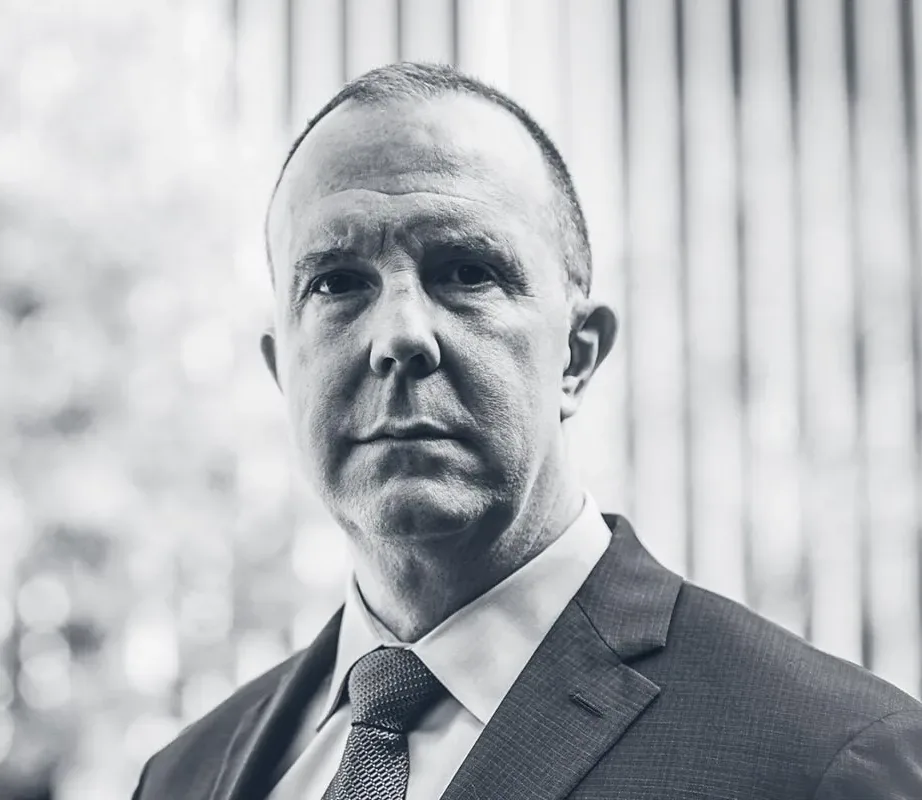
Jeff has been a practicing Michigan criminal lawyer, DUI attorney and driver’s license restoration lawyer for more than 30 years. He is passionate about winning and doing whatever it takes to accomplish that. He understands that a pending criminal or DUI charge is stressful and that being unable to legally drive is a huge problem.
Close-up of person in jeans with hands cuffed behind their back.
License Revoked for DUIs? The Process to Get It Back

Losing your license after multiple DUIs affects your ability to work, care for your family, and manage daily responsibilities. Michigan has strict rules for anyone with two or more DUI convictions, and the state will not restore driving privileges until you demonstrate long-term sobriety and a commitment to remain alcohol- and drug-free. Below, we outline the steps and evidence the Secretary of State looks for when deciding whether to restore your driving privileges.

What Does It Mean When Your License Is Revoked in Michigan?

A revocation is not a temporary suspension. It is a complete termination of your driving privileges until you win a restoration appeal.

Michigan imposes mandatory revocation when:

  • You have two DUIs within 7 years, or
  • Three DUIs within 10 years

Once revoked, you must:

  • Wait the required revocation period
  • File for a restoration hearing
  • Prove your sobriety by clear and convincing evidence

How Long Do You Have to Wait Before Filing a License Appeal?

The waiting period depends on your record:

  • 1-year revocation for two DUI convictions
  • 5-year revocation for three DUI convictions

You cannot regain your license early. After the waiting period ends, you are only eligible to request a hearing, not guaranteed to win one.

What Do You Have to Prove to Win a License Restoration Case?

You might assume that needing to drive should matter. In reality, the state does not consider hardship. Michigan’s only question is whether you are a risk to reoffend.

To win, we must prove two key points:

  1. You have fully stopped using alcohol and drugs, including recreational marijuana.
  2. You intend to remain abstinent for life.

Because Michigan classifies anyone with multiple DUIs as a “habitual alcohol offender,” the Secretary of State begins every case with the assumption that an alcohol-use disorder exists. Your evidence must overcome that presumption.

What Evidence Helps Show Long-Term Sobriety?

A strong appeal package typically includes:

  • A detailed Substance Use Evaluation
  • Notarized support letters from people who know you well
  • Verified sobriety milestones, usually 18–24 months or more
  • Consistent lifestyle changes that support abstinence
  • Any available documentation of counseling or recovery programs, when applicable

Hearing officers look for real behavioral change. Any suggestion that you drink “occasionally,” “just on holidays,” or “only at home” results in an automatic denial.

What Happens During the Driver’s License Restoration Hearing?

The hearing is conducted through the Michigan Secretary of State’s Office of Hearings and Administrative Oversight (OHAO). At the hearing:

  • A hearing officer reviews your documents
  • You answer questions about your past use, recovery, support systems, and future plans
  • Your attorney helps present your history and case in a clear and consistent way

If approved, you typically receive a restricted license with an ignition interlock device for at least one year. After that, you may request full restoration. If you live out of state, you win what’s called a “clearance” that removes Michigan’s hold on your driving record so you can get a license (usually a full, unrestricted license) in your home state.

What Mistakes Cause People to Lose License Restoration Appeals?

We regularly meet clients who have tried to represent themselves or hired lawyers unfamiliar with Michigan’s strict process. The most common reasons for denial include:

  • Evaluations that miss required information
  • Support letters that conflict or lack detail
  • Admitting to any drinking at all
  • Filing before having enough sobriety
  • Inconsistent answers during the hearing

Needing to drive is not one of the required criteria, so it never helps the case.

Can You Handle the Appeal on Your Own?

Many people try, but the process is technical and unforgiving. Denials often result from minor inconsistencies that an experienced attorney would catch. We frequently help clients who previously filed on their own, received a denial, and now need to correct issues before trying again.

Working with a firm that focuses on license restoration means:

  • Your evaluation will match what the hearing officers expect
  • Your evidence will be organized and complete
  • Being prepared for every question from the specific hearing officer deciding your case
  • You avoid submitting anything that could harm your chances

Because you only get one chance per year, thorough preparation is essential.

Ready to Start the License Restoration Process?

Getting your Michigan driver’s license back after multiple DUIs is possible, but you must show real sobriety, a stable support system, and consistent change. We guide you through each step, prepare your evidence, and represent you at the hearing to give you the best chance of success.

Call Jeffrey Randa and Associates for a free, confidential consultation. We will evaluate your eligibility and explain what you need to win your case.

Our firm guarantees to win every driver’s license restoration and out-of-state clearance appeal case we take.

All of our consultations are free, confidential, and done over the phone. We are very friendly people who will be glad to answer your questions and explain how the process works.

FAQ: Michigan DUI License Revocations

How long do I need to be sober before applying?

Most clients succeed with at least 18–24 months of abstinence, though more time is often helpful.

Do I have to be in AA?

No. AA is not required. You simply need a reliable recovery plan and proof of long-term change.

Can I get my license back if I live out of state?

Yes. You can request an Out-of-State Clearance to remove Michigan’s hold and obtain a license in your current state of residence.

About the Author
Jeff has been a practicing Michigan criminal lawyer, DUI attorney and driver’s license restoration lawyer for more than 30 years. He is passionate about winning and doing whatever it takes to accomplish that. He understands that a pending criminal or DUI charge is stressful and that being unable to legally drive is a huge problem.
Attorney Advertising
Website developed in accordance with Web Content Accessibility Guidelines 2.2.
If you encounter any issues while using this site, please contact us: 586.465.1980