
Getting Your License Back After a Third DUI in Michigan

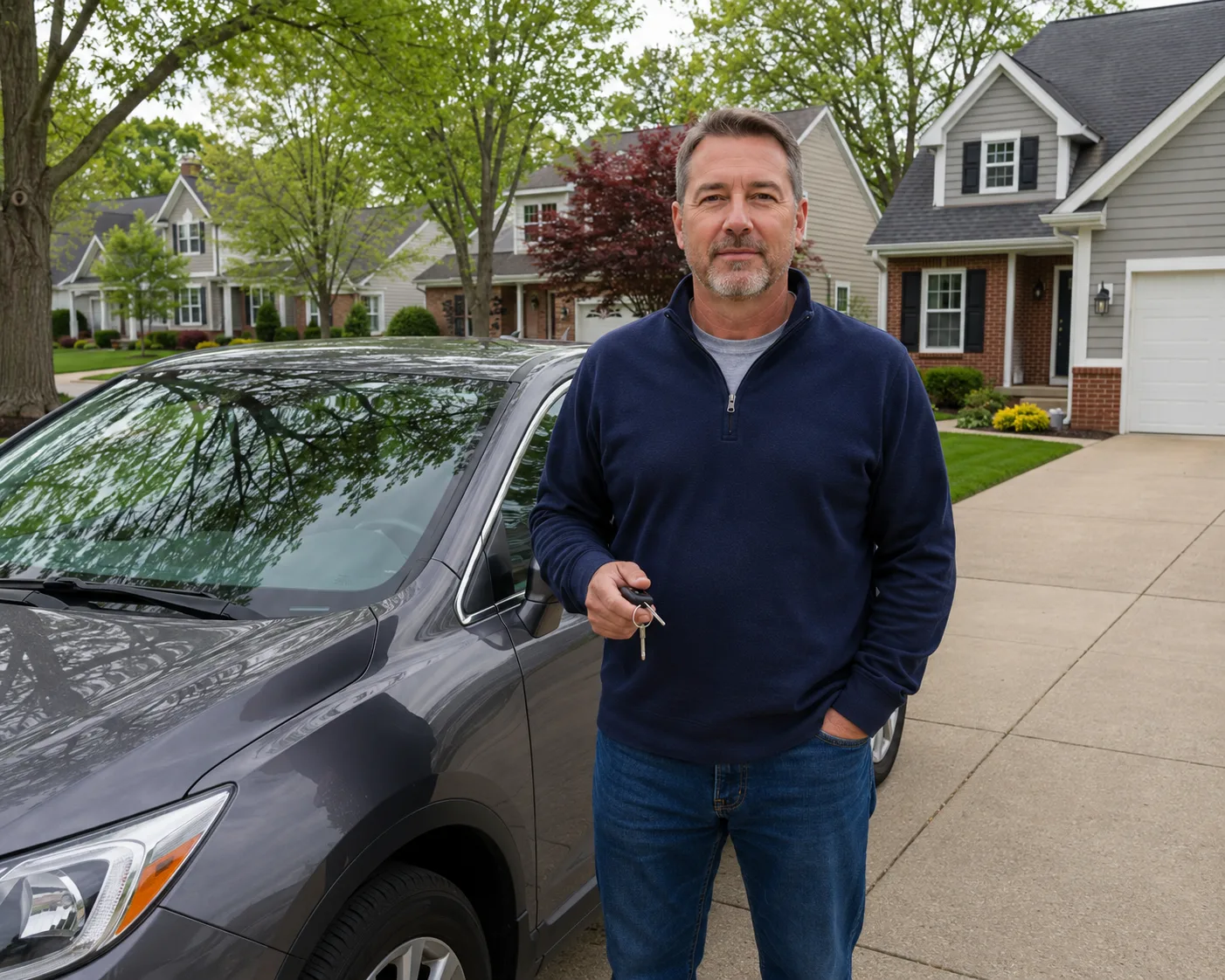
Man holding car keys after winning Michigan license restoration appeal following third DUI
Share on Facebook
Share on X
Share on LinkedIn

If you’re reading this, the minimum 5-year waiting period may very well already be behind you. A third DUI conviction in Michigan triggers a lifetime revocation that prevents filing a license restoration case for 5 years. Many, if not most people who find their way to this page have already done that time. What they want to know is what comes next, and whether getting a license back is actually within reach.

The short answer is yes — but the restoration process after a third offense is more demanding than what a two-conviction case requires, and the reasons for that go beyond just the length of the wait. This article walks through what makes a revocation after a third-offense DUI conviction different, what the hearing process actually requires, and why the path forward depends almost entirely on what your sobriety picture looks like today.

What You Need to Know

A third DUI revocation in Michigan lasts a minimum of five years — but eligibility to file is just the starting line. Winning requires clear and convincing evidence of genuine, sustained sobriety. Sobriety Court graduates are typically in the strongest position of any third-offense client to move forward sooner, rather than later. Our firm guarantees to win your license restoration or clearance appeal, or we keep working at no additional fee. Free consultations: 586-465-1980, Monday–Friday, 8:30 a.m. to 5:00 p.m.

Why a Third-Offense Case Is Different From the Start

The five-year minimum wait is the obvious difference. But the more significant distinction is what that record communicates to a hearing officer when you finally do file a formal Michigan driver’s license restoration appeal. It is also what makes third DUI license restoration in Michigan a fundamentally different process than what a first- or second-offense case requires.

A second-offense revocation produces a one-year minimum and occurs after two OWI convictions within seven years. A third offense — specifically, three convictions within ten years — means the Secretary of State is looking at a pattern that spans a decade or more. That pattern is exactly what the Michigan Office of Hearings and Administrative Oversight (OHAO) hearing process is designed to scrutinize.

Under Michigan law, anyone with two or more DUI convictions is categorized as a habitual alcohol offender. The legal presumption that follows is that this person has a problem with alcohol — and the burden of proving that they’ve addressed it falls entirely on the person filing the appeal. With a third conviction on the record, that presumption becomes a foregone conclusion, and the claim of real sobriety needs to be clear and strong.

None of that means restoration is out of reach. It means the case for sobriety has to be built carefully, with the right evidence, presented by someone who understands what hearing officers are really looking for.

License Restoration After a Third DUI — The Five-Year Wait

The five-year minimum applies when a person has three DUI convictions within a ten-year window. It is the eligibility floor — reaching it does not restore anything automatically. The Secretary of State does not send a letter when the time is up. Your license remains revoked forever, until you file a formal appeal and win.

There is a second path to a five-year revocation that almost never comes up in practice: a subsequent revocation within seven years of a prior revocation or denial. In over thirty years and thousands of cases, our firm has seen this scenario once or twice at most. If your situation involves a third conviction outside the ten-year window, the revocation period may be different — that is worth confirming based on your specific record.

Many clients who contact us after a third-offense revocation come to us well after the five years have passed. The gap between eligibility and filing is often significant — sometimes because life got in the way, sometimes because the person knew they weren’t ready, and sometimes because they were driving without a license out of necessity. We certainly don’t encourage that, but it’s rather naive to pretend it doesn’t happen.

We understand the reality of that, and what matters is where you are now.

If You Went Through Sobriety Court

Of all the third-offense clients who come to us, Sobriety Court graduates are typically in the strongest position. Here’s why.

A successful Sobriety Court program usually runs two to three years. Someone convicted of a third offense who enters and completes a program will often be off probation well before the five-year revocation mark arrives — and they will have spent that time living exactly the kind of sober life a restoration hearing needs to see: regular drug screens, consistent participation in treatment or support programs, and a good interlock record.

That last piece matters more than people realize. An ignition interlock device installed as part of a Sobriety Court license generates a compliance record. A good record over an extended period — even if there have been violations that were later overturned — is powerful evidence in a restoration hearing. By the time the five-year minimum has run, a Sobriety Court graduate with a good interlock history can often move directly toward a full license — not just a restricted one — because they have already demonstrated what a hearing officer needs to see.

The restoration process still requires a full formal petition: a substance abuse evaluation, a 12-panel drug screen, support letters, and a hearing before the OHAO. Nothing is automatic. But that picture of sustained sobriety is already largely in place, and that changes the preparation process considerably.

Third DUI License Restoration Without Sobriety Court

For clients who served their time, paid their fines, and have been living without a license ever since, the five-year mark is the beginning — not the end — of the restoration process.

The OHAO requires clear and convincing evidence that your alcohol problem is under control and that the risk of you ever drinking again — or using any drugs, including recreational marijuana — is low. That standard exists for everyone who files a restoration appeal. For a third-offense client, the history is longer and the scrutiny is deeper. A hearing officer reviewing a felony record spanning multiple convictions over a decade is going to look hard at what has genuinely changed. That’s the reality of license restoration after a third DUI in Michigan.

What affects the outcome is true sobriety, lived and demonstrated over time — not the passage of time alone. Many of the clients we work with have been sober for years but have never thought about how to describe or present that story. That’s a large part of what we do. Our firm requires a minimum of eighteen months of continuous sobriety before we will move forward with any restoration case. For a third-offense client, the sobriety picture generally needs to be stronger and more clearly established than that minimum suggests — but that’s something we can talk about.

Building the case starts with a substance abuse evaluation. Our clients work with our own evaluator rather than navigating that search on their own. That matters more than it might seem. Many attorneys steer clients toward a preferred evaluator, and the Secretary of State is well aware of that practice — evaluations that appear too favorable raise flags rather than help. Our evaluator doesn’t operate that way. This is a clinician we work with daily, and the reputation built with the OHAO is based entirely on the integrity of the work. Hearing officers have come to trust these assessments — not because they’re ours, but because they’re honest and thorough.

The evaluation is paired with a 12-panel laboratory drug screen with at least two integrity variables — no instant tests are accepted — and support letters from people who can speak to your sobriety from direct observation. These are not character references. They serve a specific evidentiary function, and every one of them needs to be correctly written, signed, and notarized before submission.

How those pieces are developed and presented is something we handle as part of our representation.

What the OHAO Hearing Actually Looks Like

All OHAO hearings are conducted remotely via Microsoft Teams. There are no in-person hearings, and hearings are not held at county-specific locations. Hearing officers are assigned statewide.
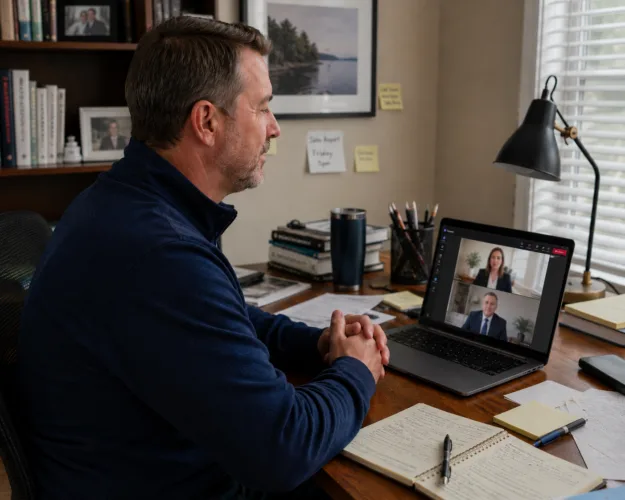
Michigan license restoration hearing conducted remotely via Microsoft Teams

The hearing is a formal evidentiary proceeding. You and your attorney present your case — the substance abuse evaluation, the drug screen results, the support letters, and your own testimony. The hearing officer asks questions, evaluates the evidence, and issues a written decision.

If you were not already on a restricted license and your petition is approved, your license will initially be restricted and you will be required to install a BAIID (breath alcohol ignition interlock device) in any vehicle you drive. After a monitoring period with a good interlock record, you can file a second petition to remove the device and obtain full driving privileges. That second approval is not automatic — it requires another formal petition and the same evidentiary standard.

You can only file once per year. A denial — regardless of the reason — resets the clock. That is why the strength of the initial petition matters so much. A poorly prepared case doesn’t just fail; it costs another year.

Why the Way Your Criminal Case Was Handled Still Matters

The decisions made during the criminal defense phase of a third-offense case can shape what the restoration case looks like years later. How the conviction was resolved, whether Sobriety Court was part of the picture, what the sentencing record reflects — all of it becomes part of the file a hearing officer reviews.

Our firm concentrates in both OWI defense and license restoration. The overlap between them is not incidental — understanding how a criminal case affects a restoration case years down the road changes the advice we give at every stage. Jeffrey Randa completed a formal post-graduate program in addiction studies, which gives our restoration work a clinical grounding that goes beyond the legal mechanics.

Hearing officers are looking for a credible recovery story supported by a well-built, compelling record, and the way that story is developed and presented makes a real difference.

Our Guarantee

Our firm guarantees to win your license restoration after a third DUI in Michigan the first time — or we keep working at no additional attorney fee until we do. That commitment is only possible because we are selective about the cases we take. We do not move forward until the sobriety picture is strong enough to win.

If you’re not there yet, we’ll tell you that directly — and tell you what it would take to get there. There’s no benefit to filing a case that isn’t ready, and no point in giving anyone false hope about where they stand.

Ready to Find Out Where You Stand?

Whether you’re right at the five-year mark or several years past it, the right first step is a free, confidential phone consultation. We’ll tell you honestly what your record looks like, whether your sobriety story is where it needs to be, and what a realistic path to Michigan license restoration after a third DUI looks like.

Call us at 586-465-1980, Monday through Friday, 8:30 a.m. to 5:00 p.m. After-hours messages are handled by our answering service. You can also reach us through the contact form or chat on our website. To learn more about the full restoration process, visit our Michigan driver’s license restoration page.

About the Author
Jeff has been a practicing Michigan criminal lawyer, DUI attorney and driver’s license restoration lawyer for more than 30 years. He is passionate about winning and doing whatever it takes to accomplish that. He understands that a pending criminal or DUI charge is stressful and that being unable to legally drive is a huge problem.
Man holding car keys after winning Michigan license restoration appeal following third DUI
Getting Your License Back After a Third DUI in Michigan

If you’re reading this, the minimum 5-year waiting period may very well already be behind you. A third DUI conviction in Michigan triggers a lifetime revocation that prevents filing a license restoration case for 5 years. Many, if not most people who find their way to this page have already done that time. What they want to know is what comes next, and whether getting a license back is actually within reach.

The short answer is yes — but the restoration process after a third offense is more demanding than what a two-conviction case requires, and the reasons for that go beyond just the length of the wait. This article walks through what makes a revocation after a third-offense DUI conviction different, what the hearing process actually requires, and why the path forward depends almost entirely on what your sobriety picture looks like today.

What You Need to Know

A third DUI revocation in Michigan lasts a minimum of five years — but eligibility to file is just the starting line. Winning requires clear and convincing evidence of genuine, sustained sobriety. Sobriety Court graduates are typically in the strongest position of any third-offense client to move forward sooner, rather than later. Our firm guarantees to win your license restoration or clearance appeal, or we keep working at no additional fee. Free consultations: 586-465-1980, Monday–Friday, 8:30 a.m. to 5:00 p.m.

Why a Third-Offense Case Is Different From the Start

The five-year minimum wait is the obvious difference. But the more significant distinction is what that record communicates to a hearing officer when you finally do file a formal Michigan driver’s license restoration appeal. It is also what makes third DUI license restoration in Michigan a fundamentally different process than what a first- or second-offense case requires.

A second-offense revocation produces a one-year minimum and occurs after two OWI convictions within seven years. A third offense — specifically, three convictions within ten years — means the Secretary of State is looking at a pattern that spans a decade or more. That pattern is exactly what the Michigan Office of Hearings and Administrative Oversight (OHAO) hearing process is designed to scrutinize.

Under Michigan law, anyone with two or more DUI convictions is categorized as a habitual alcohol offender. The legal presumption that follows is that this person has a problem with alcohol — and the burden of proving that they’ve addressed it falls entirely on the person filing the appeal. With a third conviction on the record, that presumption becomes a foregone conclusion, and the claim of real sobriety needs to be clear and strong.

None of that means restoration is out of reach. It means the case for sobriety has to be built carefully, with the right evidence, presented by someone who understands what hearing officers are really looking for.

License Restoration After a Third DUI — The Five-Year Wait

The five-year minimum applies when a person has three DUI convictions within a ten-year window. It is the eligibility floor — reaching it does not restore anything automatically. The Secretary of State does not send a letter when the time is up. Your license remains revoked forever, until you file a formal appeal and win.

There is a second path to a five-year revocation that almost never comes up in practice: a subsequent revocation within seven years of a prior revocation or denial. In over thirty years and thousands of cases, our firm has seen this scenario once or twice at most. If your situation involves a third conviction outside the ten-year window, the revocation period may be different — that is worth confirming based on your specific record.

Many clients who contact us after a third-offense revocation come to us well after the five years have passed. The gap between eligibility and filing is often significant — sometimes because life got in the way, sometimes because the person knew they weren’t ready, and sometimes because they were driving without a license out of necessity. We certainly don’t encourage that, but it’s rather naive to pretend it doesn’t happen.

We understand the reality of that, and what matters is where you are now.

If You Went Through Sobriety Court

Of all the third-offense clients who come to us, Sobriety Court graduates are typically in the strongest position. Here’s why.

A successful Sobriety Court program usually runs two to three years. Someone convicted of a third offense who enters and completes a program will often be off probation well before the five-year revocation mark arrives — and they will have spent that time living exactly the kind of sober life a restoration hearing needs to see: regular drug screens, consistent participation in treatment or support programs, and a good interlock record.

That last piece matters more than people realize. An ignition interlock device installed as part of a Sobriety Court license generates a compliance record. A good record over an extended period — even if there have been violations that were later overturned — is powerful evidence in a restoration hearing. By the time the five-year minimum has run, a Sobriety Court graduate with a good interlock history can often move directly toward a full license — not just a restricted one — because they have already demonstrated what a hearing officer needs to see.

The restoration process still requires a full formal petition: a substance abuse evaluation, a 12-panel drug screen, support letters, and a hearing before the OHAO. Nothing is automatic. But that picture of sustained sobriety is already largely in place, and that changes the preparation process considerably.

Third DUI License Restoration Without Sobriety Court

For clients who served their time, paid their fines, and have been living without a license ever since, the five-year mark is the beginning — not the end — of the restoration process.

The OHAO requires clear and convincing evidence that your alcohol problem is under control and that the risk of you ever drinking again — or using any drugs, including recreational marijuana — is low. That standard exists for everyone who files a restoration appeal. For a third-offense client, the history is longer and the scrutiny is deeper. A hearing officer reviewing a felony record spanning multiple convictions over a decade is going to look hard at what has genuinely changed. That’s the reality of license restoration after a third DUI in Michigan.

What affects the outcome is true sobriety, lived and demonstrated over time — not the passage of time alone. Many of the clients we work with have been sober for years but have never thought about how to describe or present that story. That’s a large part of what we do. Our firm requires a minimum of eighteen months of continuous sobriety before we will move forward with any restoration case. For a third-offense client, the sobriety picture generally needs to be stronger and more clearly established than that minimum suggests — but that’s something we can talk about.

Building the case starts with a substance abuse evaluation. Our clients work with our own evaluator rather than navigating that search on their own. That matters more than it might seem. Many attorneys steer clients toward a preferred evaluator, and the Secretary of State is well aware of that practice — evaluations that appear too favorable raise flags rather than help. Our evaluator doesn’t operate that way. This is a clinician we work with daily, and the reputation built with the OHAO is based entirely on the integrity of the work. Hearing officers have come to trust these assessments — not because they’re ours, but because they’re honest and thorough.

The evaluation is paired with a 12-panel laboratory drug screen with at least two integrity variables — no instant tests are accepted — and support letters from people who can speak to your sobriety from direct observation. These are not character references. They serve a specific evidentiary function, and every one of them needs to be correctly written, signed, and notarized before submission.

How those pieces are developed and presented is something we handle as part of our representation.

What the OHAO Hearing Actually Looks Like

All OHAO hearings are conducted remotely via Microsoft Teams. There are no in-person hearings, and hearings are not held at county-specific locations. Hearing officers are assigned statewide.

Michigan license restoration hearing conducted remotely via Microsoft Teams

The hearing is a formal evidentiary proceeding. You and your attorney present your case — the substance abuse evaluation, the drug screen results, the support letters, and your own testimony. The hearing officer asks questions, evaluates the evidence, and issues a written decision.

If you were not already on a restricted license and your petition is approved, your license will initially be restricted and you will be required to install a BAIID (breath alcohol ignition interlock device) in any vehicle you drive. After a monitoring period with a good interlock record, you can file a second petition to remove the device and obtain full driving privileges. That second approval is not automatic — it requires another formal petition and the same evidentiary standard.

You can only file once per year. A denial — regardless of the reason — resets the clock. That is why the strength of the initial petition matters so much. A poorly prepared case doesn’t just fail; it costs another year.

Why the Way Your Criminal Case Was Handled Still Matters

The decisions made during the criminal defense phase of a third-offense case can shape what the restoration case looks like years later. How the conviction was resolved, whether Sobriety Court was part of the picture, what the sentencing record reflects — all of it becomes part of the file a hearing officer reviews.

Our firm concentrates in both OWI defense and license restoration. The overlap between them is not incidental — understanding how a criminal case affects a restoration case years down the road changes the advice we give at every stage. Jeffrey Randa completed a formal post-graduate program in addiction studies, which gives our restoration work a clinical grounding that goes beyond the legal mechanics.

Hearing officers are looking for a credible recovery story supported by a well-built, compelling record, and the way that story is developed and presented makes a real difference.

Our Guarantee

Our firm guarantees to win your license restoration after a third DUI in Michigan the first time — or we keep working at no additional attorney fee until we do. That commitment is only possible because we are selective about the cases we take. We do not move forward until the sobriety picture is strong enough to win.

If you’re not there yet, we’ll tell you that directly — and tell you what it would take to get there. There’s no benefit to filing a case that isn’t ready, and no point in giving anyone false hope about where they stand.

Ready to Find Out Where You Stand?

Whether you’re right at the five-year mark or several years past it, the right first step is a free, confidential phone consultation. We’ll tell you honestly what your record looks like, whether your sobriety story is where it needs to be, and what a realistic path to Michigan license restoration after a third DUI looks like.

Call us at 586-465-1980, Monday through Friday, 8:30 a.m. to 5:00 p.m. After-hours messages are handled by our answering service. You can also reach us through the contact form or chat on our website. To learn more about the full restoration process, visit our Michigan driver’s license restoration page.

About the Author
Jeff has been a practicing Michigan criminal lawyer, DUI attorney and driver’s license restoration lawyer for more than 30 years. He is passionate about winning and doing whatever it takes to accomplish that. He understands that a pending criminal or DUI charge is stressful and that being unable to legally drive is a huge problem.
Website developed in accordance with Web Content Accessibility Guidelines 2.2.
If you encounter any issues while using this site, please contact us: 586.465.1980