DUI, OWI and OUIL – The Alphabet Soup of Michigan Drunk Driving Charges

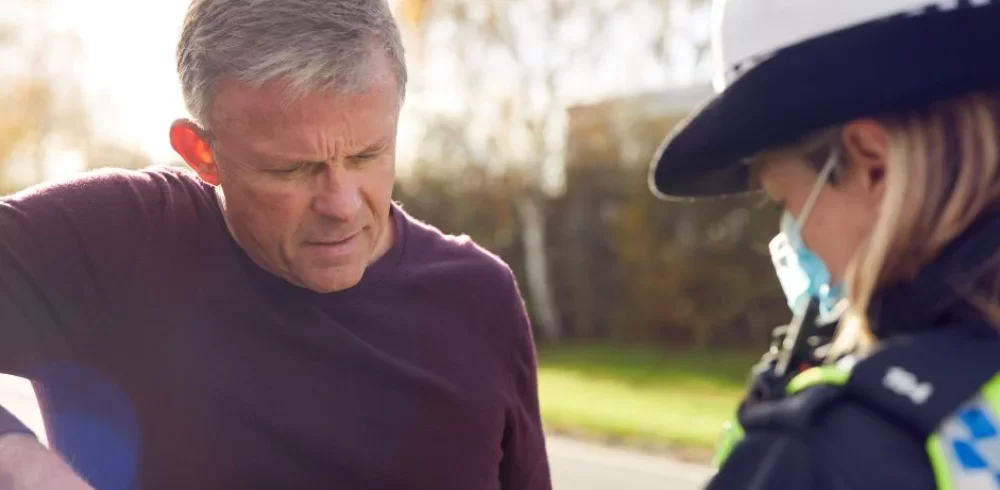
Police officer speaking with a driver on the side of the road.
Share on Facebook
Share on X
Share on LinkedIn

As Michigan DUI lawyers, we know it can be confusing and a bit difficult to keep track of and understand the differences between all the terms used to describe a Michigan drunk driving charge. The most common term is “DUI,” yet Michigan does not have, and has never had a law that actually uses those letters. For many years, the formal term for drunk driving, under Michigan law, was “OUIL,” which meant “Operating Under the Influence of Liquor.”

Back then, the legal BAC (meaning bodily alcohol content, and usually understood as either breath-test or blood-test result) standard under that now obsolete OUIL law for drunk driving was .10.

Under threat from the Federal Government to change the legal standard for drunk driving from .10 to .08, or else lose federal highway funds, Michigan’s legislature then enacted a new set of laws in 2003, dropping the standard for drunk driving from .10 to .08, and changing the name of the offense from “Operating Under the Influence of Liquor” (OUIL) to “Operating While Intoxicated” (OWI).

“DUI” is by far the most common term used in the United States, but there are a few others, as well, including:

  • OWI
  • DWI
  • DUIL
  • OUI

One might also see the term “Impaired Driving” to refer to DUI cases, but “Impaired Driving” is a specific, less serious DUI charge in Michigan. The state has always had a lesser offense covering what’s known as “impaired driving.” As used in Michigan, Impaired Driving is supposed to mean something less than outright drunk or intoxicated

At the time Michigan’s old OUIL laws were in effect, the legal standard for “impaired driving” was .07 (actually, .07 up to .10). When the state legislature changed the drunk driving laws from OUIL to OWI, and the BAC standard for drunk driving changed from .10 to .08, the numerical BAC standard for impaired driving was eliminated – but not the offense itself.

This means a person can be convicted of “Impaired Driving” with a BAC below .07, or if he or she is found to have been “visibly impaired” by the ingestion of any substance. Accordingly, the “impaired” charge still exists, but is primarily used in plea bargains to reduce OWI or High BAC charges to the least serous of all DUI offenses.

In addition, a person may run across another obsolete term “OUID,” which meant “Operating Under the Influence of Drugs.” That’s redundnat now because the OWI law includes driving while intoxicated by any substance. Accordingly, “OUID” is a misnomer, and driving while under the influence of drugs is covered under the OWI statute

The bottom line is that almost everyone charged with a drunk or drugged driving offense in Michigan is facing an “OWI” charge. Yet for all of this discussion, almost every one of those people will begin looking for a lawyer to help them by searching for the term “DUI.”

Accordingly, our firm generally uses the term “DUI” in the same sense it’s used by just about everyone else.

About the Author
Jeff has been a practicing Michigan criminal lawyer, DUI attorney and driver’s license restoration lawyer for more than 30 years. He is passionate about winning and doing whatever it takes to accomplish that. He understands that a pending criminal or DUI charge is stressful and that being unable to legally drive is a huge problem.
Police officer speaking with a driver on the side of the road.
DUI, OWI and OUIL – The Alphabet Soup of Michigan Drunk Driving Charges
As Michigan DUI lawyers, we know it can be confusing and a bit difficult to keep track of and understand the differences between all the terms used to describe a Michigan drunk driving charge. The most common term is “DUI,” yet Michigan does not have, and has never had a law that actually uses those letters. For many years, the formal term for drunk driving, under Michigan law, was “OUIL,” which meant “Operating Under the Influence of Liquor.”

Back then, the legal BAC (meaning bodily alcohol content, and usually understood as either breath-test or blood-test result) standard under that now obsolete OUIL law for drunk driving was .10.

Under threat from the Federal Government to change the legal standard for drunk driving from .10 to .08, or else lose federal highway funds, Michigan’s legislature then enacted a new set of laws in 2003, dropping the standard for drunk driving from .10 to .08, and changing the name of the offense from “Operating Under the Influence of Liquor” (OUIL) to “Operating While Intoxicated” (OWI).

“DUI” is by far the most common term used in the United States, but there are a few others, as well, including:

  • OWI
  • DWI
  • DUIL
  • OUI

One might also see the term “Impaired Driving” to refer to DUI cases, but “Impaired Driving” is a specific, less serious DUI charge in Michigan. The state has always had a lesser offense covering what’s known as “impaired driving.” As used in Michigan, Impaired Driving is supposed to mean something less than outright drunk or intoxicated

At the time Michigan’s old OUIL laws were in effect, the legal standard for “impaired driving” was .07 (actually, .07 up to .10). When the state legislature changed the drunk driving laws from OUIL to OWI, and the BAC standard for drunk driving changed from .10 to .08, the numerical BAC standard for impaired driving was eliminated – but not the offense itself.

This means a person can be convicted of “Impaired Driving” with a BAC below .07, or if he or she is found to have been “visibly impaired” by the ingestion of any substance. Accordingly, the “impaired” charge still exists, but is primarily used in plea bargains to reduce OWI or High BAC charges to the least serous of all DUI offenses.

In addition, a person may run across another obsolete term “OUID,” which meant “Operating Under the Influence of Drugs.” That’s redundnat now because the OWI law includes driving while intoxicated by any substance. Accordingly, “OUID” is a misnomer, and driving while under the influence of drugs is covered under the OWI statute

The bottom line is that almost everyone charged with a drunk or drugged driving offense in Michigan is facing an “OWI” charge. Yet for all of this discussion, almost every one of those people will begin looking for a lawyer to help them by searching for the term “DUI.”

Accordingly, our firm generally uses the term “DUI” in the same sense it’s used by just about everyone else.

About the Author
Jeff has been a practicing Michigan criminal lawyer, DUI attorney and driver’s license restoration lawyer for more than 30 years. He is passionate about winning and doing whatever it takes to accomplish that. He understands that a pending criminal or DUI charge is stressful and that being unable to legally drive is a huge problem.
Attorney Advertising
Website developed in accordance with Web Content Accessibility Guidelines 2.2.
If you encounter any issues while using this site, please contact us: 586.465.1980