
How Field Sobriety Tests Are Really Used in DUI Cases

Share on Facebook
Share on X
Share on LinkedIn

Last Updated: February 3, 2026

Key Takeaways

– Field sobriety tests are investigative tools, not scientific proof that someone was legally intoxicated.
– Performance can be affected by many non-alcohol factors, including stress, fatigue, medical conditions, age, injuries, footwear, and roadside conditions.
– Police officers decide how results are interpreted, and that judgment is subjective, not neutral.
– Field sobriety tests are often used to justify an arrest, even when their reliability is questionable.

What Field Sobriety Tests Are & What They Are Not

Field sobriety tests are often treated as decisive evidence in DUI cases. In reality, they are pre-arrest screening tools designed to help an officer decide whether to proceed with an arrest.

They are not:

  • Medical evaluations
  • Scientific measurements
  • Proof that someone was legally intoxicated

Despite that, poor performance on field sobriety tests is routinely used to justify arrests throughout Metro-Detroit.

Why Field Sobriety Tests Are Inherently Unreliable

Even when administered correctly, field sobriety tests suffer from built-in limitations. Performance can be affected by:

  • Uneven pavement, gravel, or poor lighting
  • Cold Michigan weather
  • Footwear, age, or balance issues
  • Fatigue or stress during a traffic stop

None of these factors appear in breath or blood test results, yet they heavily influence field sobriety test outcomes.

Where Video and Reports Fit In

Police video and written reports are tools used to evaluate the reliability of field sobriety testing, not the sole basis for a defense. Video may:

  • Show unclear instructions
  • Reveal environmental problems
  • Contradict exaggerated descriptions
  • Confirm that performance was better than reported

Other times, video adds little. Either way, it’s one piece of a larger analysis, not the whole case.

How DUI Cases Are Actually Challenged Using Field Sobriety Tests

A strong DUI defense does not rely on a single issue. A Metro-Detroit field sobriety test attorney looks at:

  • The reason for the traffic stop
  • The decision to administer tests
  • The selection of tests used
  • The conditions and instructions
  • The officer’s interpretation
  • How all of this fits into the broader evidence

This layered approach is what creates leverage, especially in local courts.

Contact Jeffrey Randa & Associates Today

Jeffrey Randa and Associates is known across Metro-Detroit for taking DUI cases apart piece by piece, especially when field sobriety tests are used as the foundation for an arrest. The firm focuses almost exclusively on drunk driving defense, with deep experience in Oakland County, Wayne County, and Macomb County courts. That narrow focus matters. It means your case isn’t being handled by a general practitioner, but by a team that understands how officers administer (and misapply) field sobriety tests, how local judges evaluate them, and where real leverage comes from. If your arrest relied on subjective testing instead of solid evidence, this is exactly where Jeffrey Randa and Associates does its best work.

FAQs

Are field sobriety tests required by law?

No. They are voluntary, though refusal may influence an officer’s decision-making.

Do field sobriety tests prove I was drunk?

No. They are observational tools, not proof of intoxication.

Can medical issues explain poor performance?

Yes, and this is frequently overlookedduring roadside testing.

Do judges rely heavily on field sobriety tests?

They consider them, but they also understand their limitations when properly challenged.

Should I speak with a field sobriety tests attorney early?

Yes. Early analysis matters, particularly in Oakland, Wayne, and Macomb County DUI cases.
About the Author
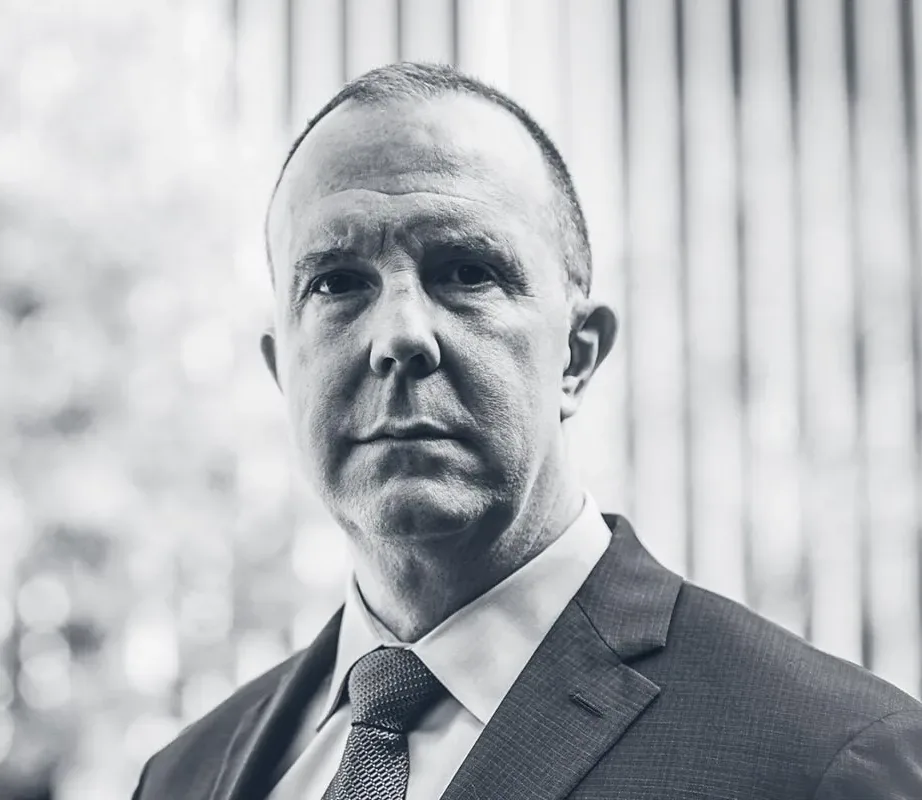
Jeff has been a practicing Michigan criminal lawyer, DUI attorney and driver’s license restoration lawyer for more than 30 years. He is passionate about winning and doing whatever it takes to accomplish that. He understands that a pending criminal or DUI charge is stressful and that being unable to legally drive is a huge problem.
How Field Sobriety Tests Are Really Used in DUI Cases

Last Updated: February 3, 2026

Key Takeaways

– Field sobriety tests are investigative tools, not scientific proof that someone was legally intoxicated.
– Performance can be affected by many non-alcohol factors, including stress, fatigue, medical conditions, age, injuries, footwear, and roadside conditions.
– Police officers decide how results are interpreted, and that judgment is subjective, not neutral.
– Field sobriety tests are often used to justify an arrest, even when their reliability is questionable.

What Field Sobriety Tests Are & What They Are Not

Field sobriety tests are often treated as decisive evidence in DUI cases. In reality, they are pre-arrest screening tools designed to help an officer decide whether to proceed with an arrest.

They are not:

  • Medical evaluations
  • Scientific measurements
  • Proof that someone was legally intoxicated

Despite that, poor performance on field sobriety tests is routinely used to justify arrests throughout Metro-Detroit.

Why Field Sobriety Tests Are Inherently Unreliable

Even when administered correctly, field sobriety tests suffer from built-in limitations. Performance can be affected by:

  • Uneven pavement, gravel, or poor lighting
  • Cold Michigan weather
  • Footwear, age, or balance issues
  • Fatigue or stress during a traffic stop

None of these factors appear in breath or blood test results, yet they heavily influence field sobriety test outcomes.

Where Video and Reports Fit In

Police video and written reports are tools used to evaluate the reliability of field sobriety testing, not the sole basis for a defense. Video may:

  • Show unclear instructions
  • Reveal environmental problems
  • Contradict exaggerated descriptions
  • Confirm that performance was better than reported

Other times, video adds little. Either way, it’s one piece of a larger analysis, not the whole case.

How DUI Cases Are Actually Challenged Using Field Sobriety Tests

A strong DUI defense does not rely on a single issue. A Metro-Detroit field sobriety test attorney looks at:

  • The reason for the traffic stop
  • The decision to administer tests
  • The selection of tests used
  • The conditions and instructions
  • The officer’s interpretation
  • How all of this fits into the broader evidence

This layered approach is what creates leverage, especially in local courts.

Contact Jeffrey Randa & Associates Today

Jeffrey Randa and Associates is known across Metro-Detroit for taking DUI cases apart piece by piece, especially when field sobriety tests are used as the foundation for an arrest. The firm focuses almost exclusively on drunk driving defense, with deep experience in Oakland County, Wayne County, and Macomb County courts. That narrow focus matters. It means your case isn’t being handled by a general practitioner, but by a team that understands how officers administer (and misapply) field sobriety tests, how local judges evaluate them, and where real leverage comes from. If your arrest relied on subjective testing instead of solid evidence, this is exactly where Jeffrey Randa and Associates does its best work.

FAQs

Are field sobriety tests required by law?

No. They are voluntary, though refusal may influence an officer’s decision-making.

Do field sobriety tests prove I was drunk?

No. They are observational tools, not proof of intoxication.

Can medical issues explain poor performance?

Yes, and this is frequently overlookedduring roadside testing.

Do judges rely heavily on field sobriety tests?

They consider them, but they also understand their limitations when properly challenged.

Should I speak with a field sobriety tests attorney early?

Yes. Early analysis matters, particularly in Oakland, Wayne, and Macomb County DUI cases.

About the Author
Jeff has been a practicing Michigan criminal lawyer, DUI attorney and driver’s license restoration lawyer for more than 30 years. He is passionate about winning and doing whatever it takes to accomplish that. He understands that a pending criminal or DUI charge is stressful and that being unable to legally drive is a huge problem.
Attorney Advertising
Website developed in accordance with Web Content Accessibility Guidelines 2.2.
If you encounter any issues while using this site, please contact us: 586.465.1980