

Thinking About Getting Your Michigan Driver’s License Back? Here’s How to Know If You’re Ready

Michigan driver's license restoration appeal — thinking about getting your license back
Share on Facebook
Share on X
Share on LinkedIn

If you’ve lost your Michigan driver’s license because of multiple DUI convictions and are thinking about a Michigan driver’s license restoration appeal, there’s a good chance you’ve thought about this more than once. Maybe you’ve looked it up online. Maybe you’ve picked up the phone and then put it down. Maybe you’ve told yourself you’ll deal with it later — and later keeps coming and going.

That’s more common than you might think. And if you’re reading this right now, something has shifted. Maybe your sobriety feels solid in a way it didn’t before. Maybe the inconvenience of not driving has finally hit a breaking point. Maybe someone you trust told you it was time.

Whatever brought you here, the question we hear most often from people in your position is a simple one:

“Am I ready?”

That’s exactly what this article is about.

First, Understand What You’re Actually Dealing With

In Michigan, a license that has been revoked because of multiple DUIs does not come back on its own. There is no automatic reinstatement — not after one year, not after five, not ever. To get your license back, you have to file a formal appeal with the Michigan Secretary of State’s Office of Hearings and Administrative Oversight (OHAO) and win it.

That word — win — matters. This is not a rubber-stamp process. A hearing officer reviews your case and decides whether you’ve proven, by what the law calls clear and convincing evidence, that your alcohol problem is under control and likely to remain that way. Every case starts out with a hard “no” and only becomes “yes” if you prove it the way the state requires.

If you now live outside of Michigan, the process is the same — but what you’re filing for is called a clearance, which removes Michigan’s hold from your driving record so you can get a license in your home state. We’ll touch on that more below.

The Most Important Question in Any Michigan Driver’s License Restoration Appeal: Are You Genuinely Sober?

Everything in a Michigan driver’s license restoration appeal comes down to one thing: sobriety. Not sobriety as a legal technicality. Not sobriety as something you say to get a result. Genuine, committed, lasting sobriety.

This is worth spending a moment on, because the word “sober” means different things to different people. In the context of a Michigan license appeal, it means complete abstinence from alcohol and drugs — including recreational marijuana — with both the ability (meaning you have the tools) and the genuine commitment to remain that way for life.

As we explain in detail in our article on what sobriety really means in a Michigan license appeal, the hearing officer isn’t just looking at how long you haven’t had a drink. They’re looking for something harder to fake: the unmistakable quality of someone who has genuinely accepted that there is no future with alcohol, and whose life reflects an intention to never drink — or get high — again.

People who are truly sober don’t talk about what they’ve lost by not drinking. They talk about what they’ve gained. Better relationships. Clearer thinking. A sense of calm they didn’t have before. Hearing officers have been trained to tell the difference, and after 30-plus years of handling these cases, so have we.

How Much Sober Time Do You Actually Need?

In reality, someone with multiple DUI convictions is going to need a minimum of 18 months of abstinence from alcohol to have any chance of winning. Hearing officers for repeat OWI revocations consistently expect at least that, and, by law, in many circumstances, they can require more. After assessing a person’s record, our firm generally won’t move forward with a case until a client has at least 18 months of clean time. Often, we recommend more.

Why 18 months? Because that’s the point at which sobriety tends to feel less like white-knuckling and more like a settled way of life. It’s also the point at which the documentation of that sobriety — a substance use evaluation, support letters, and how you can explain the many ways in which your life has changed for the better — starts to tell a coherent, convincing story.

The full picture of how sobriety time is evaluated, including what counts and what doesn’t, is something we cover in detail in our article on how long you need to be sober to win a Michigan license appeal. One important thing to understand now: time spent on probation, in jail, or in a sober house where testing is — or even may be — required doesn’t count the same way as freely-chosen sobriety. If most of your clean time came from a controlled environment, that’s something we’d need to talk through before moving forward.

Michigan driver's license restoration — moving forward after DUI revocation

You Don’t Have to Be in AA

One of the most common reasons people hesitate to call us is the assumption that they need to be actively involved in Alcoholics Anonymous to have a case. That’s not true.

AA is a genuinely valuable program — for people for whom it’s the right fit. Many of our clients have done some AA, often initially because probation required it. Some have stayed. Most haven’t. And plenty of people who are completely, genuinely sober have never set foot in an AA meeting.

What matters isn’t the path you took to sobriety. What matters is whether it worked — and whether your life reflects it. We cover this fully in our article on whether you have to go to AA to win a Michigan license appeal.

Michigan Driver’s License Restoration Readiness: An Honest Checklist

Based on our experience handling these cases for more than three decades, here’s an honest checklist of what a winnable case looks like before we even file:

  • At least 18 months of genuine, freely-chosen sobriety — no alcohol, no recreational marijuana, no non-prescribed controlled substances
  • Sobriety that wasn’t primarily obtained in a controlled environment (probation, incarceration, or a sober house with mandatory testing)
  • A lifestyle that reflects the change — even if quietly. Better relationships, stable employment or routine, engagement with something beyond drinking
  • The ability to talk honestly about your history with alcohol — not to just “parrot” the right answers, but because you’ve actually embraced a sober lifestyle

If you check all of those boxes, you likely have a strong case. If some of them give you pause, that’s important information — and it’s exactly the kind of thing we’d talk through on a call before ever recommending you file.

What If You’re Not Ready for a Michigan Driver’s License Restoration Appeal Yet?

We get calls from people at all stages in their relationship with alcohol. Some are ready to move immediately. Some have solid sobriety but not quite enough time. Some are still working toward quitting for good.

For everyone, our consultations are free, confidential, and done over the phone — right when you call. We’re not going to tell you you’re ready if you’re not. That wouldn’t help you, and it wouldn’t help us. Our firm guarantees to win every driver’s license restoration and clearance case we take — or we keep working at no additional fee. That guarantee only works if we’re honest about where a case stands before we take it.

If you’re not ready yet, we’ll tell you that directly, explain what needs to happen, and let you know when to call back. Sometimes we can point someone toward a relapse prevention course or other resources that will strengthen their case down the road. There’s no pressure and no sales pitch when you speak with us.

A Note for Out-of-State Readers

If you moved out of Michigan years ago but still can’t get a license in your current state because of Michigan’s hold on your driving record, a clearance appeal is the answer. The process is identical to a standard restoration — the same documentation, the same hearing, the same legal standard. The difference is the result: instead of a Michigan license, you get the hold removed from your record so your home state can issue you one.

All OHAO hearings are conducted remotely via Microsoft Teams, so there’s no need to return to Michigan. Our firm handles clearance cases for clients throughout the United States — and occasionally for people living abroad.

The Next Step Is a Phone Call

If you’ve been sober for a meaningful period of time and you’re seriously thinking about getting your license back, the best thing you can do right now is call us. The conversation costs nothing, takes less than half an hour, and will give you a clear, honest picture of exactly where you stand.

Our team and I handle these calls personally. We’re easy to talk to, we don’t sugarcoat things, and we don’t pressure anyone. If you’re ready, we’ll tell you. If you’re not, we’ll tell you that too — and what it will take to get there.

To understand more about the process before you call, take a look at our step-by-step overview of restoring your Michigan driver’s license, or visit our driver’s license restoration practice page for a broader overview of what we do and how we do it.

You can reach us Monday through Friday, 8:30 AM to 5:00 PM at 586-465-1980. We also have an after-hours answering service for calls outside of business hours. You can also reach us through the contact form or chat box on our website, and we’ll get back to you promptly.

You’ve done the hard part. Let us help you finish it.

About the Author
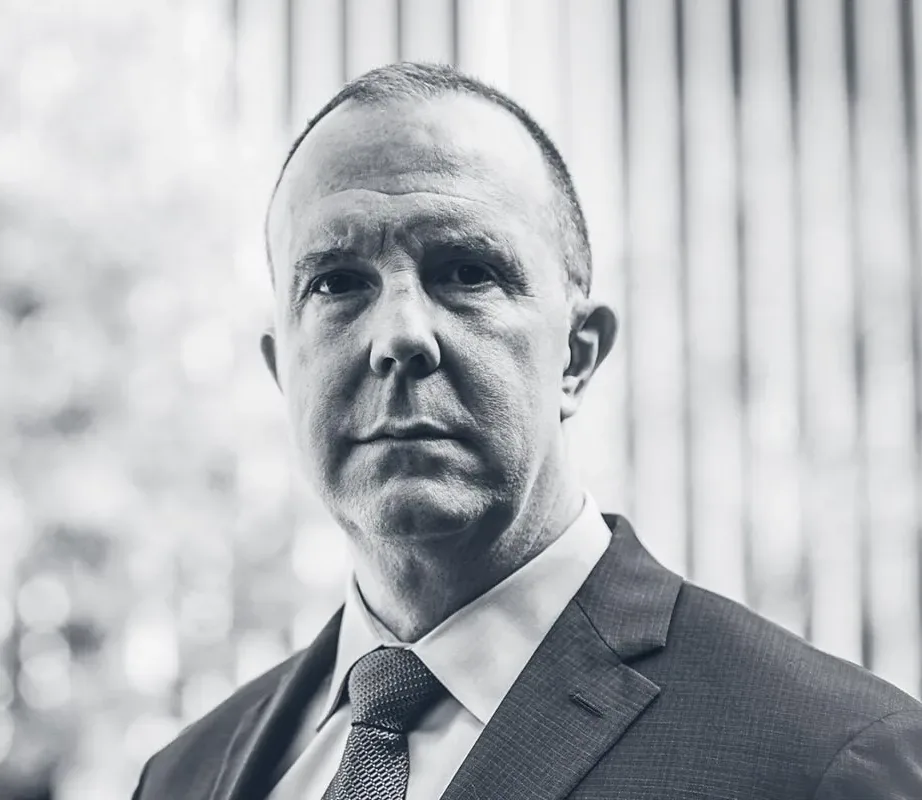
Jeff has been a practicing Michigan criminal lawyer, DUI attorney and driver’s license restoration lawyer for more than 30 years. He is passionate about winning and doing whatever it takes to accomplish that. He understands that a pending criminal or DUI charge is stressful and that being unable to legally drive is a huge problem.
Michigan driver's license restoration appeal — thinking about getting your license back
Thinking About Getting Your Michigan Driver’s License Back? Here’s How to Know If You’re Ready

If you’ve lost your Michigan driver’s license because of multiple DUI convictions and are thinking about a Michigan driver’s license restoration appeal, there’s a good chance you’ve thought about this more than once. Maybe you’ve looked it up online. Maybe you’ve picked up the phone and then put it down. Maybe you’ve told yourself you’ll deal with it later — and later keeps coming and going.

That’s more common than you might think. And if you’re reading this right now, something has shifted. Maybe your sobriety feels solid in a way it didn’t before. Maybe the inconvenience of not driving has finally hit a breaking point. Maybe someone you trust told you it was time.

Whatever brought you here, the question we hear most often from people in your position is a simple one:

“Am I ready?”

That’s exactly what this article is about.

First, Understand What You’re Actually Dealing With

In Michigan, a license that has been revoked because of multiple DUIs does not come back on its own. There is no automatic reinstatement — not after one year, not after five, not ever. To get your license back, you have to file a formal appeal with the Michigan Secretary of State’s Office of Hearings and Administrative Oversight (OHAO) and win it.

That word — win — matters. This is not a rubber-stamp process. A hearing officer reviews your case and decides whether you’ve proven, by what the law calls clear and convincing evidence, that your alcohol problem is under control and likely to remain that way. Every case starts out with a hard “no” and only becomes “yes” if you prove it the way the state requires.

If you now live outside of Michigan, the process is the same — but what you’re filing for is called a clearance, which removes Michigan’s hold from your driving record so you can get a license in your home state. We’ll touch on that more below.

The Most Important Question in Any Michigan Driver’s License Restoration Appeal: Are You Genuinely Sober?

Everything in a Michigan driver’s license restoration appeal comes down to one thing: sobriety. Not sobriety as a legal technicality. Not sobriety as something you say to get a result. Genuine, committed, lasting sobriety.

This is worth spending a moment on, because the word “sober” means different things to different people. In the context of a Michigan license appeal, it means complete abstinence from alcohol and drugs — including recreational marijuana — with both the ability (meaning you have the tools) and the genuine commitment to remain that way for life.

As we explain in detail in our article on what sobriety really means in a Michigan license appeal, the hearing officer isn’t just looking at how long you haven’t had a drink. They’re looking for something harder to fake: the unmistakable quality of someone who has genuinely accepted that there is no future with alcohol, and whose life reflects an intention to never drink — or get high — again.

People who are truly sober don’t talk about what they’ve lost by not drinking. They talk about what they’ve gained. Better relationships. Clearer thinking. A sense of calm they didn’t have before. Hearing officers have been trained to tell the difference, and after 30-plus years of handling these cases, so have we.

How Much Sober Time Do You Actually Need?

In reality, someone with multiple DUI convictions is going to need a minimum of 18 months of abstinence from alcohol to have any chance of winning. Hearing officers for repeat OWI revocations consistently expect at least that, and, by law, in many circumstances, they can require more. After assessing a person’s record, our firm generally won’t move forward with a case until a client has at least 18 months of clean time. Often, we recommend more.

Why 18 months? Because that’s the point at which sobriety tends to feel less like white-knuckling and more like a settled way of life. It’s also the point at which the documentation of that sobriety — a substance use evaluation, support letters, and how you can explain the many ways in which your life has changed for the better — starts to tell a coherent, convincing story.

The full picture of how sobriety time is evaluated, including what counts and what doesn’t, is something we cover in detail in our article on how long you need to be sober to win a Michigan license appeal. One important thing to understand now: time spent on probation, in jail, or in a sober house where testing is — or even may be — required doesn’t count the same way as freely-chosen sobriety. If most of your clean time came from a controlled environment, that’s something we’d need to talk through before moving forward.

Michigan driver's license restoration — moving forward after DUI revocation

You Don’t Have to Be in AA

One of the most common reasons people hesitate to call us is the assumption that they need to be actively involved in Alcoholics Anonymous to have a case. That’s not true.

AA is a genuinely valuable program — for people for whom it’s the right fit. Many of our clients have done some AA, often initially because probation required it. Some have stayed. Most haven’t. And plenty of people who are completely, genuinely sober have never set foot in an AA meeting.

What matters isn’t the path you took to sobriety. What matters is whether it worked — and whether your life reflects it. We cover this fully in our article on whether you have to go to AA to win a Michigan license appeal.

Michigan Driver’s License Restoration Readiness: An Honest Checklist

Based on our experience handling these cases for more than three decades, here’s an honest checklist of what a winnable case looks like before we even file:

  • At least 18 months of genuine, freely-chosen sobriety — no alcohol, no recreational marijuana, no non-prescribed controlled substances
  • Sobriety that wasn’t primarily obtained in a controlled environment (probation, incarceration, or a sober house with mandatory testing)
  • A lifestyle that reflects the change — even if quietly. Better relationships, stable employment or routine, engagement with something beyond drinking
  • The ability to talk honestly about your history with alcohol — not to just “parrot” the right answers, but because you’ve actually embraced a sober lifestyle

If you check all of those boxes, you likely have a strong case. If some of them give you pause, that’s important information — and it’s exactly the kind of thing we’d talk through on a call before ever recommending you file.

What If You’re Not Ready for a Michigan Driver’s License Restoration Appeal Yet?

We get calls from people at all stages in their relationship with alcohol. Some are ready to move immediately. Some have solid sobriety but not quite enough time. Some are still working toward quitting for good.

For everyone, our consultations are free, confidential, and done over the phone — right when you call. We’re not going to tell you you’re ready if you’re not. That wouldn’t help you, and it wouldn’t help us. Our firm guarantees to win every driver’s license restoration and clearance case we take — or we keep working at no additional fee. That guarantee only works if we’re honest about where a case stands before we take it.

If you’re not ready yet, we’ll tell you that directly, explain what needs to happen, and let you know when to call back. Sometimes we can point someone toward a relapse prevention course or other resources that will strengthen their case down the road. There’s no pressure and no sales pitch when you speak with us.

A Note for Out-of-State Readers

If you moved out of Michigan years ago but still can’t get a license in your current state because of Michigan’s hold on your driving record, a clearance appeal is the answer. The process is identical to a standard restoration — the same documentation, the same hearing, the same legal standard. The difference is the result: instead of a Michigan license, you get the hold removed from your record so your home state can issue you one.

All OHAO hearings are conducted remotely via Microsoft Teams, so there’s no need to return to Michigan. Our firm handles clearance cases for clients throughout the United States — and occasionally for people living abroad.

The Next Step Is a Phone Call

If you’ve been sober for a meaningful period of time and you’re seriously thinking about getting your license back, the best thing you can do right now is call us. The conversation costs nothing, takes less than half an hour, and will give you a clear, honest picture of exactly where you stand.

Our team and I handle these calls personally. We’re easy to talk to, we don’t sugarcoat things, and we don’t pressure anyone. If you’re ready, we’ll tell you. If you’re not, we’ll tell you that too — and what it will take to get there.

To understand more about the process before you call, take a look at our step-by-step overview of restoring your Michigan driver’s license, or visit our driver’s license restoration practice page for a broader overview of what we do and how we do it.

You can reach us Monday through Friday, 8:30 AM to 5:00 PM at 586-465-1980. We also have an after-hours answering service for calls outside of business hours. You can also reach us through the contact form or chat box on our website, and we’ll get back to you promptly.

You’ve done the hard part. Let us help you finish it.

About the Author
Jeff has been a practicing Michigan criminal lawyer, DUI attorney and driver’s license restoration lawyer for more than 30 years. He is passionate about winning and doing whatever it takes to accomplish that. He understands that a pending criminal or DUI charge is stressful and that being unable to legally drive is a huge problem.
Website developed in accordance with Web Content Accessibility Guidelines 2.2.
If you encounter any issues while using this site, please contact us: 586.465.1980