
What Disqualifies Someone From License Restoration in Michigan?

Share on Facebook
Share on X
Share on LinkedIn
At an OHAO hearing, the hearing officer must deny your case unless you prove by clear and convincing evidence that your alcohol or substance abuse problem is under control, that it will remain under control, and that the risk of driving impaired is low. 

Several things can disqualify or delay a Michigan driver’s license restoration. The most common problems generally fall into one or more of four categories: an unmet waiting period, sobriety that doesn’t yet meet the legal standard, documentation or testimony with gaps or inconsistencies, and an active status issue like a pending traffic offense or a recent conviction while driving on a revoked license. Speaking with a Michigan license restoration attorney is the fastest way to identify which one applies.

If you used to live in Michigan and now live out of state, or even outside of the country, a Michigan revocation stays on your driving record as a “hold” until it’s cleared.

Has Your Waiting Period Passed?

Michigan law requires the Secretary of State to revoke your license after multiple OWI convictions. Under the mandatory waiting period provisions, you cannot file for restoration until a minimum time has passed. The floor is one year after a first revocation, although in practice nobody has any real chance of winning a license appeal for the better part of at least three years.

The most common path to a five-year wait is three alcohol-related convictions within ten years. A second revocation within seven years of the first also triggers the five-year minimum, though that situation is far less common.

These minimums are exactly that: minimums. Meeting the minimum waiting period makes you eligible to apply, but it does not have anything to do with being able to win restoration.

Does Your Sobriety Meet Michigan’s Legal Standard?

This is among the most common reasons petitions fail. At an OHAO hearing, the hearing officer must deny your case unless you prove by clear and convincing evidence that your alcohol or substance abuse problem is under control, that it will remain under control, and that the risk of relapse (drinking again) is low. The standard is strict.

You must demonstrate complete abstinence from alcohol and any controlled substance not prescribed to you. The Administrative Code sets a six-month floor for proven abstinence, but hearing officers handling repeat OWI revocations always require at least 12 months, and the law allows the hearing officer to require even more time. Our firm will not move forward until a client has at least 18 months (and sometimes more) because such evidence is measurably stronger.

Two common problems stand out. A person who is still drinking, or who has consumed any alcohol within that required abstinence period, will automatically be denied. Court-ordered sobriety is also a complete bar: if you’re currently on probation, the hearing officer must conclude that you are living in what’s called a “controlled environment” and cannot view your sobriety as completely voluntary.

The same “controlled environment” analysis applies to any time a person was abstinent while incarcerated, or even living in a “sober house” where testing can be required. If too much of your clean period was obtained in any of those situations, your record may not demonstrate the voluntary, self-directed sobriety that hearing officers must require — even if the total duration exceeds the waiting period.

Can Documentation Gaps Disqualify Your Case?

Even strong sobriety can lose on paper. OHAO hearing officers compare three things: the substance abuse evaluation, your support letters, and your hearing testimony. Any inconsistency between them — even a minor discrepancy about your sobriety date — could be grounds for denial.

The substance use evaluation alone can sink a case if the evaluator isn’t properly qualified, the report is not entirely accurate or is outdated, or the conclusions don’t align with everything else in the file.

The testimonial letters of support must address specific facts about your sobriety. These are NOT character letters. As a practical matter, every letter we review needs to be edited. Once completed, they must be properly notarized before filing.

Drug screens must include at least two integrity variables (creatinine, specific gravity, or pH) — instant tests are not accepted. Prescription medication users must also submit a Physician Statement (DA-4P form) for any “risky” medication (i.e., any substance that is mind or mood altering, or that is potentially habit-forming). Missing any detail on these documents creates an unnecessary gap in the record. The Michigan Secretary of State’s OHAO page sets out the full documentation checklist, including the required forms and drug screen specifications.

Does Your Current Status Block a Restoration Case?

Some disqualifiers aren’t about the past. They’re about what’s happening right now.

Any conviction of a traffic offense while your license is revoked is damaging to your record. A revocation means no driving at all. A conviction for any moving violation — or even a notation in a traffic crash report without a conviction — will result in an additional, mandatory revocation. Once that revocation period has passed, the hearing officer will see that you continued to drive even after you were first revoked. This signals to the hearing officer that you may not have the required legal ability “to drive safely, and within the law.” Other active barriers include:

  • Open criminal or traffic cases: Pending charges signal ongoing risky behavior
  • Active probation for any offense: Hearing officers cannot count any claimed sobriety that is court-ordered rather than self-directed
  • Prescription medication or medical marijuana: These don’t automatically disqualify you, but they require careful documentation and raise relapse risk questions that must be addressed. This is ESPECIALLY TRUE with medical marijuana

If you’ve already been denied, read what a denial means and what comes next. Appeals to circuit court are possible, but they rarely succeed. Michigan law gives petitioners 63 days to file an appeal, and the standard of review is narrow.

Building a stronger restoration petition is almost always the better path. It’s that attention to detail that allows our firm to guarantee to win every driver’s license restoration and clearance appeal case we take.

What If You No Longer Live in Michigan?

A Michigan revocation doesn’t disappear when you leave the state. It attaches to your driving record as a “hold” and blocks you from getting a license in any U.S. state and in countries that share driver record data. If Michigan revoked your license or your driving privileges, even if you never lived in Michigan, you still have to clear that Michigan hold.

Out-of-state and international residents file for a clearance rather than a standard restoration through OHAO. It’s the identical process, except that Michigan residents win back a Michigan license, while non-residents get Michigan’s hold cleared off their record and can then get a license in their home state.

Our firm handles clearance cases for clients across Metro Detroit, throughout Michigan, the entire United States, and internationally. You don’t need to return to Michigan for the process — all OHAO hearings are conducted via Microsoft Teams video conference, which makes the process fully accessible no matter where you live.

Ready to Find Out If You Qualify?

Whether you’re trying to restore a Michigan license or clear a Michigan hold on your record so you can be licensed in another state, the first step is understanding exactly where your case stands. Our firm has handled Michigan driver’s license restoration and clearance cases for more than 30 years, and we back every case we take with a guarantee to win or continue working at no additional fee.

Our consultations are free, confidential, and done over the phone right when you call. Whoever picks up will be glad to answer your questions and give you an honest picture of what you’re facing — no sugarcoating, but no pressure either.

Call us at 586-465-1980, use the contact form on our website, or use the chat box if that’s easier. If you’re calling after hours, our answering service is available 24/7. You can learn more about how we handle these cases on our Michigan driver’s license restoration page.

About the Author
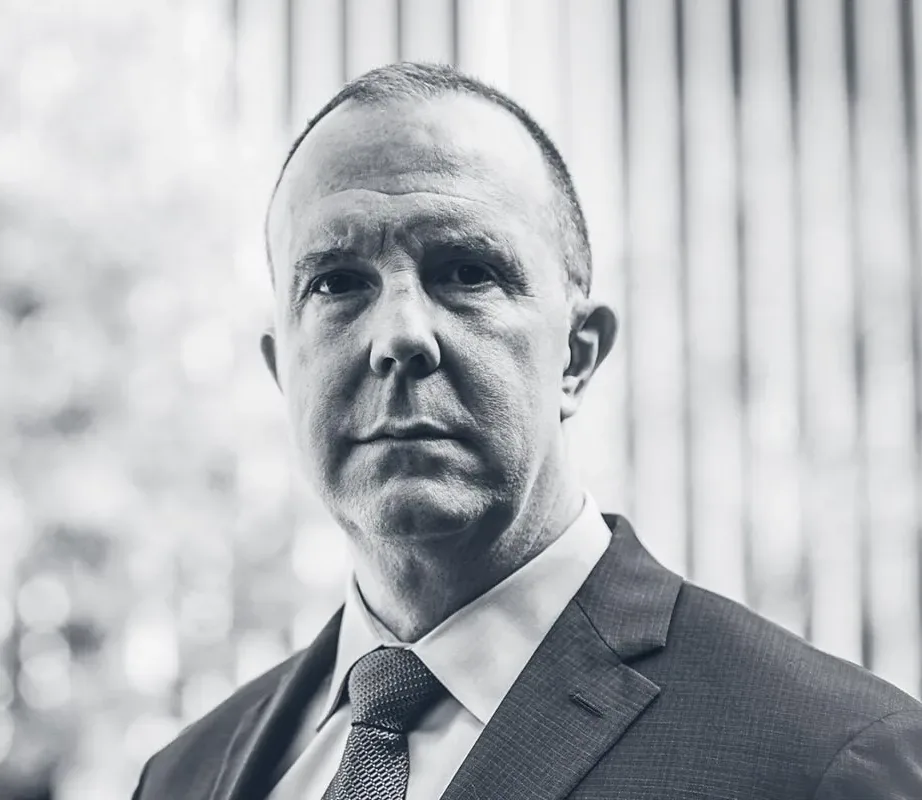
Jeff has been a practicing Michigan criminal lawyer, DUI attorney and driver’s license restoration lawyer for more than 30 years. He is passionate about winning and doing whatever it takes to accomplish that. He understands that a pending criminal or DUI charge is stressful and that being unable to legally drive is a huge problem.
What Disqualifies Someone From License Restoration in Michigan?
At an OHAO hearing, the hearing officer must deny your case unless you prove by clear and convincing evidence that your alcohol or substance abuse problem is under control, that it will remain under control, and that the risk of driving impaired is low. 

Several things can disqualify or delay a Michigan driver’s license restoration. The most common problems generally fall into one or more of four categories: an unmet waiting period, sobriety that doesn’t yet meet the legal standard, documentation or testimony with gaps or inconsistencies, and an active status issue like a pending traffic offense or a recent conviction while driving on a revoked license. Speaking with a Michigan license restoration attorney is the fastest way to identify which one applies.

If you used to live in Michigan and now live out of state, or even outside of the country, a Michigan revocation stays on your driving record as a “hold” until it’s cleared.

Has Your Waiting Period Passed?

Michigan law requires the Secretary of State to revoke your license after multiple OWI convictions. Under the mandatory waiting period provisions, you cannot file for restoration until a minimum time has passed. The floor is one year after a first revocation, although in practice nobody has any real chance of winning a license appeal for the better part of at least three years.

The most common path to a five-year wait is three alcohol-related convictions within ten years. A second revocation within seven years of the first also triggers the five-year minimum, though that situation is far less common.

These minimums are exactly that: minimums. Meeting the minimum waiting period makes you eligible to apply, but it does not have anything to do with being able to win restoration.

Does Your Sobriety Meet Michigan’s Legal Standard?

This is among the most common reasons petitions fail. At an OHAO hearing, the hearing officer must deny your case unless you prove by clear and convincing evidence that your alcohol or substance abuse problem is under control, that it will remain under control, and that the risk of relapse (drinking again) is low. The standard is strict.

You must demonstrate complete abstinence from alcohol and any controlled substance not prescribed to you. The Administrative Code sets a six-month floor for proven abstinence, but hearing officers handling repeat OWI revocations always require at least 12 months, and the law allows the hearing officer to require even more time. Our firm will not move forward until a client has at least 18 months (and sometimes more) because such evidence is measurably stronger.

Two common problems stand out. A person who is still drinking, or who has consumed any alcohol within that required abstinence period, will automatically be denied. Court-ordered sobriety is also a complete bar: if you’re currently on probation, the hearing officer must conclude that you are living in what’s called a “controlled environment” and cannot view your sobriety as completely voluntary.

The same “controlled environment” analysis applies to any time a person was abstinent while incarcerated, or even living in a “sober house” where testing can be required. If too much of your clean period was obtained in any of those situations, your record may not demonstrate the voluntary, self-directed sobriety that hearing officers must require — even if the total duration exceeds the waiting period.

Can Documentation Gaps Disqualify Your Case?

Even strong sobriety can lose on paper. OHAO hearing officers compare three things: the substance abuse evaluation, your support letters, and your hearing testimony. Any inconsistency between them — even a minor discrepancy about your sobriety date — could be grounds for denial.

The substance use evaluation alone can sink a case if the evaluator isn’t properly qualified, the report is not entirely accurate or is outdated, or the conclusions don’t align with everything else in the file.

The testimonial letters of support must address specific facts about your sobriety. These are NOT character letters. As a practical matter, every letter we review needs to be edited. Once completed, they must be properly notarized before filing.

Drug screens must include at least two integrity variables (creatinine, specific gravity, or pH) — instant tests are not accepted. Prescription medication users must also submit a Physician Statement (DA-4P form) for any “risky” medication (i.e., any substance that is mind or mood altering, or that is potentially habit-forming). Missing any detail on these documents creates an unnecessary gap in the record. The Michigan Secretary of State’s OHAO page sets out the full documentation checklist, including the required forms and drug screen specifications.

Does Your Current Status Block a Restoration Case?

Some disqualifiers aren’t about the past. They’re about what’s happening right now.

Any conviction of a traffic offense while your license is revoked is damaging to your record. A revocation means no driving at all. A conviction for any moving violation — or even a notation in a traffic crash report without a conviction — will result in an additional, mandatory revocation. Once that revocation period has passed, the hearing officer will see that you continued to drive even after you were first revoked. This signals to the hearing officer that you may not have the required legal ability “to drive safely, and within the law.” Other active barriers include:

  • Open criminal or traffic cases: Pending charges signal ongoing risky behavior
  • Active probation for any offense: Hearing officers cannot count any claimed sobriety that is court-ordered rather than self-directed
  • Prescription medication or medical marijuana: These don’t automatically disqualify you, but they require careful documentation and raise relapse risk questions that must be addressed. This is ESPECIALLY TRUE with medical marijuana

If you’ve already been denied, read what a denial means and what comes next. Appeals to circuit court are possible, but they rarely succeed. Michigan law gives petitioners 63 days to file an appeal, and the standard of review is narrow.

Building a stronger restoration petition is almost always the better path. It’s that attention to detail that allows our firm to guarantee to win every driver’s license restoration and clearance appeal case we take.

What If You No Longer Live in Michigan?

A Michigan revocation doesn’t disappear when you leave the state. It attaches to your driving record as a “hold” and blocks you from getting a license in any U.S. state and in countries that share driver record data. If Michigan revoked your license or your driving privileges, even if you never lived in Michigan, you still have to clear that Michigan hold.

Out-of-state and international residents file for a clearance rather than a standard restoration through OHAO. It’s the identical process, except that Michigan residents win back a Michigan license, while non-residents get Michigan’s hold cleared off their record and can then get a license in their home state.

Our firm handles clearance cases for clients across Metro Detroit, throughout Michigan, the entire United States, and internationally. You don’t need to return to Michigan for the process — all OHAO hearings are conducted via Microsoft Teams video conference, which makes the process fully accessible no matter where you live.

Ready to Find Out If You Qualify?

Whether you’re trying to restore a Michigan license or clear a Michigan hold on your record so you can be licensed in another state, the first step is understanding exactly where your case stands. Our firm has handled Michigan driver’s license restoration and clearance cases for more than 30 years, and we back every case we take with a guarantee to win or continue working at no additional fee.

Our consultations are free, confidential, and done over the phone right when you call. Whoever picks up will be glad to answer your questions and give you an honest picture of what you’re facing — no sugarcoating, but no pressure either.

Call us at 586-465-1980, use the contact form on our website, or use the chat box if that’s easier. If you’re calling after hours, our answering service is available 24/7. You can learn more about how we handle these cases on our Michigan driver’s license restoration page.

About the Author
Jeff has been a practicing Michigan criminal lawyer, DUI attorney and driver’s license restoration lawyer for more than 30 years. He is passionate about winning and doing whatever it takes to accomplish that. He understands that a pending criminal or DUI charge is stressful and that being unable to legally drive is a huge problem.
Website developed in accordance with Web Content Accessibility Guidelines 2.2.
If you encounter any issues while using this site, please contact us: 586.465.1980