

Why Do Most Michigan Driver’s License Appeals Get Denied?

Share on Facebook
Share on X
Share on LinkedIn
The OHAO denies most appeals not because petitioners aren’t sober but because the evidence they submit doesn’t prove it convincingly enough.

One hearing per year. That’s all Michigan law allows. If OHAO denies your license restoration appeal, you wait another full year before you can try again. Take it to circuit court and the standard for overturning an OHAO decision is so demanding that those appeals almost never succeed.

One weak substance use evaluation. One inconsistency in your support letters. One missed requirement. Any single one of those things is enough — not because you haven’t put in the work, but because Michigan requires that you prove your case by “clear and convincing evidence.”

A Michigan driver’s license restoration attorney can help you build a case that actually meets that standard and gets you back on the road.

What Does “Clear and Convincing Evidence” Actually Require?

The Michigan Secretary of State’s Office of Hearings and Administrative Oversight (OHAO) handles all driver’s license restoration hearings throughout the state. Under Michigan law, anyone with two or more OWI convictions is legally presumed to be a habitual alcohol offender with an unresolved substance abuse problem. The law doesn’t assume you’ve recovered. You must prove it.

Michigan Administrative Code R 257.313 sets the standard. As we explain in detail in our article on winning a Michigan license restoration case before the OHAO, the rule boils down to one overriding question: does this person pose little or no risk of ever drinking or getting high again? That’s what every hearing officer is ultimately trying to determine. The rule requires the hearing officer to start with “no” as the default answer.

To win, you must pile up enough evidence to meet that “clear and convincing evidence” standard and push the decision all the way to “yes.” Translated, that means you can’t leave the hearing officer with any unanswered questions, or lingering doubts. In baseball terms, it means you have to step up and hit a home run.

You can’t get any “benefit of the doubt” here, and there are no breaks to be had; there is no discretion to waive a deficiency. You either hit that home run and score, or not. If the hearing officer isn’t firmly convinced on all counts, your case must be denied. That’s the law.

What Documentation Mistakes Get Michigan License Restoration Appeals Denied?

The substance use evaluation (Form SOS-258) is the foundation of your case and a common failure point. It must be completed by a qualified evaluator, submitted within 90 days of your petition, and be fully consistent with your documented history. A vague evaluation, a minimized drinking history, or generic clinical language gives the hearing officer grounds for denial before you’ve even answered a single question.

Your drug screen must be a 12-panel laboratory urinalysis with at least two integrity variables — creatinine, specific gravity, or pH. Instant tests are not accepted.

Your testimonial support letters — we require at least four, but more are fine, and better — must be properly notarized and must address specific, observed facts about your sobriety. These are not character letters. They cannot be generic statements about what a good person you are. Every letter needs to describe concrete, firsthand observations of your sobriety and, if the writer knew you before, how your life has changed. In our experience, virtually every letter we receive needs to be edited before it’s ready to file.

Every piece of documentation must align with each other and with everything you say at the hearing. The hearing officer reads the entire file before you walk in. He or she will know it cold, so you’ll need to, as well.

We’ll make sure you know all the important stuff before your hearing starts. That’s one of the reasons we can guarantee to win every Michigan driver’s license restoration and clearance appeal case we take. We focus on the key details.

How Does Inconsistency in Your Evidence Cause a Denial?

Hearing officers compare every document against all the others before the hearing begins. A sobriety date that doesn’t match a support letter is a problem. Testimony that understates a history the evaluator described as more serious is another. Any inconsistency like this can result in a denial.

This is where self-represented petitioners most often lose. Documents may be individually accurate, but without a complete review of the full picture, one inconsistency slips through. Hearing officers notice, and they are trained to look for exactly that.

You must be off probation or parole to win, and not having been discharged for a long enough period of time is a deal-breaker. Hearing officers want to see self-directed sobriety — the kind that continues because you genuinely chose it, not because a court required it.

Compliance under supervision shows you followed the rules. It doesn’t demonstrate you’ll stay sober when those rules no longer apply.

Why Does One Denial Cost You a Full Year?

OHAO allows only one restoration hearing per year. A denial means another full year of waiting.

You can appeal to circuit court within 63 days of an OHAO denial. The court reviews the OHAO record and can overturn a decision only on narrow grounds:

  • The decision was not supported by competent, material, and substantial evidence on the whole record
  • The decision was arbitrary, capricious, or an abuse of discretion
  • The decision violated the Constitution or a statute
  • The decision was affected by a material error of law

This means most circuit court appeals fail. Not only that, but these appeals take a long time. When any such case is finally heard, it’s almost always nearly time to be able to file a new case. Building a stronger restoration petition for the following year is almost always the better path.

What If You’ve Already Been Denied, or You No Longer Live in Michigan?

A prior denial is not the end. The written decision tells you exactly which criteria weren’t met, giving you a specific roadmap for your next attempt. Our firm regularly takes on clients who lost their own do-it-yourself appeal, or who tried with another attorney and lost. We make sure to build the case they should have filed the first time — guaranteed.

If you’ve moved out of Michigan, a Michigan hold still follows your driving record and blocks you from being licensed in any other state. All OHAO hearings are conducted via Microsoft Teams video conference, so no travel is required. The entire process runs remotely no matter where you live.

Talk to a Michigan License Restoration Attorney Before You File

A denial that could have been avoided is a year of your life you don’t get back. Our firm has handled Michigan driver’s license restoration and clearance cases for more than 30 years, and we back every case we take with a guarantee to win or continue working at no additional fee until we do.

Our consultations are free, confidential, and done over the phone right when you call. Whoever picks up will be glad to walk through your situation, review what you have, and give you an honest picture of where your case stands before you file anything — no sugarcoating, but no pressure either.

Call us at 586-465-1980, use the contact form on our website, or use the chat box if that’s easier. If you’re calling after hours, our answering service is available 24/7. You can learn more about how we handle these cases on our Michigan driver’s license restoration page.

About the Author
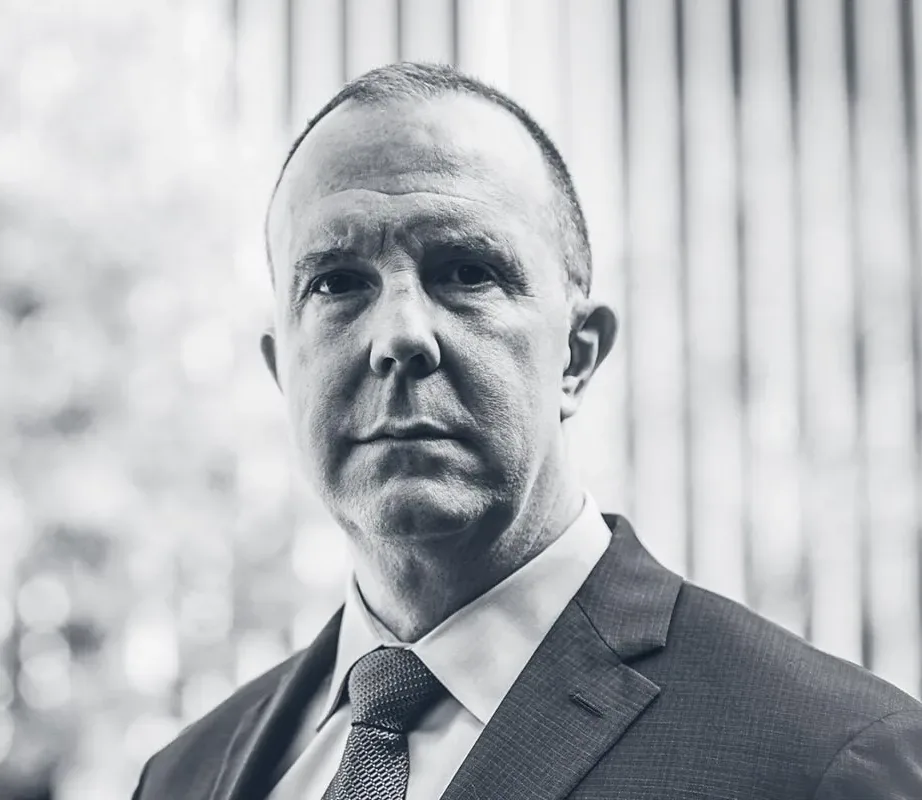
Jeff has been a practicing Michigan criminal lawyer, DUI attorney and driver’s license restoration lawyer for more than 30 years. He is passionate about winning and doing whatever it takes to accomplish that. He understands that a pending criminal or DUI charge is stressful and that being unable to legally drive is a huge problem.
Why Do Most Michigan Driver’s License Appeals Get Denied?
The OHAO denies most appeals not because petitioners aren’t sober but because the evidence they submit doesn’t prove it convincingly enough.

One hearing per year. That’s all Michigan law allows. If OHAO denies your license restoration appeal, you wait another full year before you can try again. Take it to circuit court and the standard for overturning an OHAO decision is so demanding that those appeals almost never succeed.

One weak substance use evaluation. One inconsistency in your support letters. One missed requirement. Any single one of those things is enough — not because you haven’t put in the work, but because Michigan requires that you prove your case by “clear and convincing evidence.”

A Michigan driver’s license restoration attorney can help you build a case that actually meets that standard and gets you back on the road.

What Does “Clear and Convincing Evidence” Actually Require?

The Michigan Secretary of State’s Office of Hearings and Administrative Oversight (OHAO) handles all driver’s license restoration hearings throughout the state. Under Michigan law, anyone with two or more OWI convictions is legally presumed to be a habitual alcohol offender with an unresolved substance abuse problem. The law doesn’t assume you’ve recovered. You must prove it.

Michigan Administrative Code R 257.313 sets the standard. As we explain in detail in our article on winning a Michigan license restoration case before the OHAO, the rule boils down to one overriding question: does this person pose little or no risk of ever drinking or getting high again? That’s what every hearing officer is ultimately trying to determine. The rule requires the hearing officer to start with “no” as the default answer.

To win, you must pile up enough evidence to meet that “clear and convincing evidence” standard and push the decision all the way to “yes.” Translated, that means you can’t leave the hearing officer with any unanswered questions, or lingering doubts. In baseball terms, it means you have to step up and hit a home run.

You can’t get any “benefit of the doubt” here, and there are no breaks to be had; there is no discretion to waive a deficiency. You either hit that home run and score, or not. If the hearing officer isn’t firmly convinced on all counts, your case must be denied. That’s the law.

What Documentation Mistakes Get Michigan License Restoration Appeals Denied?

The substance use evaluation (Form SOS-258) is the foundation of your case and a common failure point. It must be completed by a qualified evaluator, submitted within 90 days of your petition, and be fully consistent with your documented history. A vague evaluation, a minimized drinking history, or generic clinical language gives the hearing officer grounds for denial before you’ve even answered a single question.

Your drug screen must be a 12-panel laboratory urinalysis with at least two integrity variables — creatinine, specific gravity, or pH. Instant tests are not accepted.

Your testimonial support letters — we require at least four, but more are fine, and better — must be properly notarized and must address specific, observed facts about your sobriety. These are not character letters. They cannot be generic statements about what a good person you are. Every letter needs to describe concrete, firsthand observations of your sobriety and, if the writer knew you before, how your life has changed. In our experience, virtually every letter we receive needs to be edited before it’s ready to file.

Every piece of documentation must align with each other and with everything you say at the hearing. The hearing officer reads the entire file before you walk in. He or she will know it cold, so you’ll need to, as well.

We’ll make sure you know all the important stuff before your hearing starts. That’s one of the reasons we can guarantee to win every Michigan driver’s license restoration and clearance appeal case we take. We focus on the key details.

How Does Inconsistency in Your Evidence Cause a Denial?

Hearing officers compare every document against all the others before the hearing begins. A sobriety date that doesn’t match a support letter is a problem. Testimony that understates a history the evaluator described as more serious is another. Any inconsistency like this can result in a denial.

This is where self-represented petitioners most often lose. Documents may be individually accurate, but without a complete review of the full picture, one inconsistency slips through. Hearing officers notice, and they are trained to look for exactly that.

You must be off probation or parole to win, and not having been discharged for a long enough period of time is a deal-breaker. Hearing officers want to see self-directed sobriety — the kind that continues because you genuinely chose it, not because a court required it.

Compliance under supervision shows you followed the rules. It doesn’t demonstrate you’ll stay sober when those rules no longer apply.

Why Does One Denial Cost You a Full Year?

OHAO allows only one restoration hearing per year. A denial means another full year of waiting.

You can appeal to circuit court within 63 days of an OHAO denial. The court reviews the OHAO record and can overturn a decision only on narrow grounds:

  • The decision was not supported by competent, material, and substantial evidence on the whole record
  • The decision was arbitrary, capricious, or an abuse of discretion
  • The decision violated the Constitution or a statute
  • The decision was affected by a material error of law

This means most circuit court appeals fail. Not only that, but these appeals take a long time. When any such case is finally heard, it’s almost always nearly time to be able to file a new case. Building a stronger restoration petition for the following year is almost always the better path.

What If You’ve Already Been Denied, or You No Longer Live in Michigan?

A prior denial is not the end. The written decision tells you exactly which criteria weren’t met, giving you a specific roadmap for your next attempt. Our firm regularly takes on clients who lost their own do-it-yourself appeal, or who tried with another attorney and lost. We make sure to build the case they should have filed the first time — guaranteed.

If you’ve moved out of Michigan, a Michigan hold still follows your driving record and blocks you from being licensed in any other state. All OHAO hearings are conducted via Microsoft Teams video conference, so no travel is required. The entire process runs remotely no matter where you live.

Talk to a Michigan License Restoration Attorney Before You File

A denial that could have been avoided is a year of your life you don’t get back. Our firm has handled Michigan driver’s license restoration and clearance cases for more than 30 years, and we back every case we take with a guarantee to win or continue working at no additional fee until we do.

Our consultations are free, confidential, and done over the phone right when you call. Whoever picks up will be glad to walk through your situation, review what you have, and give you an honest picture of where your case stands before you file anything — no sugarcoating, but no pressure either.

Call us at 586-465-1980, use the contact form on our website, or use the chat box if that’s easier. If you’re calling after hours, our answering service is available 24/7. You can learn more about how we handle these cases on our Michigan driver’s license restoration page.

About the Author
Jeff has been a practicing Michigan criminal lawyer, DUI attorney and driver’s license restoration lawyer for more than 30 years. He is passionate about winning and doing whatever it takes to accomplish that. He understands that a pending criminal or DUI charge is stressful and that being unable to legally drive is a huge problem.
Website developed in accordance with Web Content Accessibility Guidelines 2.2.
If you encounter any issues while using this site, please contact us: 586.465.1980