

Drugs & Medicines Can Complicate a Michigan License Restoration Appeal

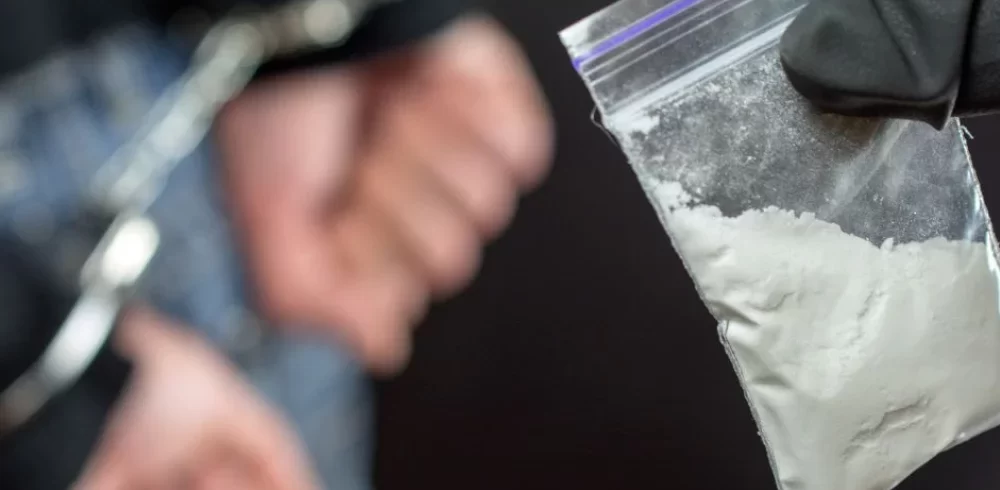
Gloved hand holding bag of white powder in front of person in handcuffs.
Share on Facebook
Share on X
Share on LinkedIn

Prescription medications can complicate a Michigan license restoration appeal, but they do not automatically prevent approval. What matters is how those medications are disclosed, evaluated, and documented under Michigan Secretary of State rules. When handled correctly, these issues are often resolved before a case is filed.

Medication use is common. The key is making sure it aligns with how the state evaluates sobriety and relapse risk.

Can Prescription Drugs Affect a Michigan License Restoration Case?

Yes. Certain medications can raise questions during a license restoration or clearance appeal, even when they are legally prescribed. Michigan’s process focuses on long-term sobriety and whether a person is likely to remain alcohol-free and drug-free.

The state looks closely at substances that may be viewed as:

  • Habit-forming
  • Mind or mood-altering
  • Capable of misuse or impairment

This review is about assessing risk, not assigning blame or discouraging legitimate medical care.

Why the Michigan Secretary of State Reviews Medications So Closely

License restoration cases are governed by a specific legal standard. You must prove that your alcohol and/or substance abuse problem is under control and likely to remain under control.

From the Secretary of State’s perspective, sobriety is evaluated through stability and relapse risk. That is why medications such as certain pain relievers, anxiety medications, sleep aids, or medical marijuana can receive closer scrutiny during the appeal process.

This does not mean medication is forbidden. It means the state expects clear evidence showing that its use does not undermine recovery.

Does Having a Prescription Automatically Solve the Issue?

No. A prescription alone is not enough.

During the substance use evaluation and required drug screening:

  • All medications must be fully disclosed
  • Test results must align with documented prescriptions
  • The evaluator must be confident that medication use is compatible with sustained sobriety

This is one of the most common issues we handle in Michigan license restoration cases, and it is usually fixable with proper preparation.

What If Your Doctor Was Not Told You Are in Recovery?

This situation comes up often, and it does not automatically derail your case, but it must be addressed carefully.

If a prescribing provider was unaware of your recovery history, the state may question whether relapse risk was considered when the medication was prescribed. The concern is not whether the doctor acted improperly. It is whether medication use has been evaluated with recovery in mind.

In these situations, the solution often involves clarifying:

  • The provider’s understanding of your recovery status
  • The purpose and expected duration of the medication
  • Dosage limits and monitoring
  • Why the medication does not interfere with sobriety

We routinely guide this process so the explanation aligns with what evaluators and hearing officers expect to see.

How Medical Necessity Is Viewed in License Restoration Appeals

There are times when certain medications are medically appropriate, even for someone in recovery. When that happens, the Secretary of State expects documentation.

Strong cases often include written confirmation addressing:

  • Why the medication is medically appropriate
  • Whether alternatives were considered
  • How usage is monitored or limited
  • Why relapse risk remains low

When these issues are handled correctly, medication use does not have to stand in the way of approval.

Why Timing and Preparation Matter More Than Speed

License restoration cases are decided on evidence. Statements alone, even accurate ones, do not carry weight without supporting documentation.

If medication questions are not resolved before filing:

  • The appeal can be denied
  • You may be required to wait another full year to reapply
  • Some issues take longer than a year to correct

That is why we sometimes recommend waiting to file until everything is aligned. A short delay is far better than a denial that creates long-term setbacks.

How We Help You Win Despite Medication Concerns

We frequently handle Michigan license restoration cases involving prescription medications. Our role is to identify potential issues early and resolve them before they become obstacles.

We will help you:

  • Prepare for the substance use evaluation
  • Disclose medications accurately and consistently
  • Obtain the right medical documentation when needed
  • Present a clear, credible record of sobriety

When medication use is addressed the right way, it does not have to prevent you from getting your license back.

Putting Medication Concerns in Their Proper Place

If you are concerned that medications might affect your Michigan license restoration appeal, the solution is preparation, not guesswork. We will explain what matters, what does not, and what steps, if any, are needed to put you in the strongest position to win.

Contact Jeffrey Randa and Associates to discuss your license restoration case and take the next step toward getting back on the road.

About the Author
Jeff has been a practicing Michigan criminal lawyer, DUI attorney and driver’s license restoration lawyer for more than 30 years. He is passionate about winning and doing whatever it takes to accomplish that. He understands that a pending criminal or DUI charge is stressful and that being unable to legally drive is a huge problem.
Gloved hand holding bag of white powder in front of person in handcuffs.
Drugs & Medicines Can Complicate a Michigan License Restoration Appeal

Prescription medications can complicate a Michigan license restoration appeal, but they do not automatically prevent approval. What matters is how those medications are disclosed, evaluated, and documented under Michigan Secretary of State rules. When handled correctly, these issues are often resolved before a case is filed.

Medication use is common. The key is making sure it aligns with how the state evaluates sobriety and relapse risk.

Can Prescription Drugs Affect a Michigan License Restoration Case?

Yes. Certain medications can raise questions during a license restoration or clearance appeal, even when they are legally prescribed. Michigan’s process focuses on long-term sobriety and whether a person is likely to remain alcohol-free and drug-free.

The state looks closely at substances that may be viewed as:

  • Habit-forming
  • Mind or mood-altering
  • Capable of misuse or impairment

This review is about assessing risk, not assigning blame or discouraging legitimate medical care.

Why the Michigan Secretary of State Reviews Medications So Closely

License restoration cases are governed by a specific legal standard. You must prove that your alcohol and/or substance abuse problem is under control and likely to remain under control.

From the Secretary of State’s perspective, sobriety is evaluated through stability and relapse risk. That is why medications such as certain pain relievers, anxiety medications, sleep aids, or medical marijuana can receive closer scrutiny during the appeal process.

This does not mean medication is forbidden. It means the state expects clear evidence showing that its use does not undermine recovery.

Does Having a Prescription Automatically Solve the Issue?

No. A prescription alone is not enough.

During the substance use evaluation and required drug screening:

  • All medications must be fully disclosed
  • Test results must align with documented prescriptions
  • The evaluator must be confident that medication use is compatible with sustained sobriety

This is one of the most common issues we handle in Michigan license restoration cases, and it is usually fixable with proper preparation.

What If Your Doctor Was Not Told You Are in Recovery?

This situation comes up often, and it does not automatically derail your case, but it must be addressed carefully.

If a prescribing provider was unaware of your recovery history, the state may question whether relapse risk was considered when the medication was prescribed. The concern is not whether the doctor acted improperly. It is whether medication use has been evaluated with recovery in mind.

In these situations, the solution often involves clarifying:

  • The provider’s understanding of your recovery status
  • The purpose and expected duration of the medication
  • Dosage limits and monitoring
  • Why the medication does not interfere with sobriety

We routinely guide this process so the explanation aligns with what evaluators and hearing officers expect to see.

How Medical Necessity Is Viewed in License Restoration Appeals

There are times when certain medications are medically appropriate, even for someone in recovery. When that happens, the Secretary of State expects documentation.

Strong cases often include written confirmation addressing:

  • Why the medication is medically appropriate
  • Whether alternatives were considered
  • How usage is monitored or limited
  • Why relapse risk remains low

When these issues are handled correctly, medication use does not have to stand in the way of approval.

Why Timing and Preparation Matter More Than Speed

License restoration cases are decided on evidence. Statements alone, even accurate ones, do not carry weight without supporting documentation.

If medication questions are not resolved before filing:

  • The appeal can be denied
  • You may be required to wait another full year to reapply
  • Some issues take longer than a year to correct

That is why we sometimes recommend waiting to file until everything is aligned. A short delay is far better than a denial that creates long-term setbacks.

How We Help You Win Despite Medication Concerns

We frequently handle Michigan license restoration cases involving prescription medications. Our role is to identify potential issues early and resolve them before they become obstacles.

We will help you:

  • Prepare for the substance use evaluation
  • Disclose medications accurately and consistently
  • Obtain the right medical documentation when needed
  • Present a clear, credible record of sobriety

When medication use is addressed the right way, it does not have to prevent you from getting your license back.

Putting Medication Concerns in Their Proper Place

If you are concerned that medications might affect your Michigan license restoration appeal, the solution is preparation, not guesswork. We will explain what matters, what does not, and what steps, if any, are needed to put you in the strongest position to win.

Contact Jeffrey Randa and Associates to discuss your license restoration case and take the next step toward getting back on the road.

About the Author
Jeff has been a practicing Michigan criminal lawyer, DUI attorney and driver’s license restoration lawyer for more than 30 years. He is passionate about winning and doing whatever it takes to accomplish that. He understands that a pending criminal or DUI charge is stressful and that being unable to legally drive is a huge problem.
Attorney Advertising
Website developed in accordance with Web Content Accessibility Guidelines 2.2.
If you encounter any issues while using this site, please contact us: 586.465.1980