
Can I Refuse a Breathalyzer or Blood Test in Macomb County?

Share on Facebook
Share on X
Share on LinkedIn

You can refuse a breathalyzer test in Macomb County, but that decision comes with immediate consequences under Michigan law. A refusal does not end a DUI investigation, and it can trigger separate penalties even if you are never convicted. Knowing how refusal rules work and when they apply can affect both your driver’s license and the direction of your case.

Michigan’s Implied Consent Law, Explained Simply

When you drive on Michigan roads, you agree in advance to chemical testing if police have legal grounds to arrest you for drunk driving. This is known as implied consent under Michigan law.

Implied consent applies after an arrest. It does not mean you must submit to every test an officer requests during a traffic stop. The timing matters.

Under this law:

  • Refusing a post-arrest chemical test triggers an automatic license suspension
  • The Secretary of State handles license sanctions, separate from the DUI case
  • These penalties apply even if the DUI charge is later dismissed

Breathalyzer at the Roadside vs. After Arrest

One of the most common points of confusion is the difference between roadside testing and post-arrest testing.

Roadside breath tests

  • Often called preliminary breath tests, or PBTs
  • Used to help an officer decide whether to make an arrest
  • Most drivers may legally refuse without automatic license penalties

Post-arrest chemical tests

  • Usually administered at the police station or a medical facility
  • Covered by implied consent rules
  • Refusal leads to mandatory sanctions

Refusing a roadside test is very different from refusing a post-arrest test, and mixing the two up can lead to costly mistakes.

What Happens If You Refuse a Breathalyzer or Blood Test After Arrest?

Refusing a post-arrest breath, blood, or urine test sets off a separate legal process. The penalties are imposed through the Secretary of State, not the criminal court.

For a first refusal, you may face:

  • Automatic one-year driver’s license suspension
  • Six points added to your driving record
  • Use of the refusal as evidence in your DUI case

If you have a prior alcohol-related offense within seven years, the consequences are more severe and can include a longer revocation period.

Can Police Still Test You If You Refuse?

Absolutely, and they almost always do.

Police can seek a warrant to obtain a blood sample if they believe evidence will be lost due to delay. Refusal does not guarantee that chemical evidence will never be collected. It simply adds another legal layer to the case.

That means you could still face:

  • Chemical test results obtained through a warrant
  • Separate license penalties for refusal
  • A DUI prosecution moving forward at the same time

Does Refusing Ever Help a DUI Defense?

Refusal is not automatically a bad decision, but it is never a simple one.

In some cases, refusal limits the prosecution’s access to specific evidence. In others, it creates new problems, including license suspension and negative inferences at trial.

We look closely at factors such as:

  • Whether the arrest itself was lawful
  • Whether implied consent warnings were properly given
  • Whether the refusal process followed required procedures
  • Whether a warrant was obtained and executed correctly

Every detail matters, and refusal cases often turn on technical compliance rather than assumptions.

Can You Fight a Breathalyzer Refusal Suspension?

Yes. You have the right to request an implied consent hearing to challenge the license suspension. In most cases, you must request the hearing within 14 days of receiving the refusal notice. These hearings move quickly and focus on narrow legal issues, including whether the officer had valid grounds for the arrest and whether you were properly advised of your rights.

Missing the deadline to request a hearing can mean losing your license by default, even if defenses exist.

The good news is that even if you don’t request a hearing, or you do, but don’t win at that hearing, you can still go to circuit court and request a hardship license.

What to Do If You Are Facing a Refusal Case

If you refused a breathalyzer test, acting early gives you more options. Refusal cases involve two tracks, the DUI charge and the administrative license action, each with its own deadlines and standards.

We help clients by:

  • Reviewing the stop, arrest, and refusal step by step
  • Challenging improper procedures and warnings
  • Representing drivers at implied consent hearings
  • Building a defense strategy that addresses both tracks together

Making Informed Decisions After a Breathalyzer or Blood Test Refusal

A breathalyzer or blood test refusal in Macomb County is a legal decision with lasting effects. If you are dealing with a refusal or trying to understand your options after an arrest, we can help you assess the situation and protect your rights.

Contact Jeffrey Randa and Associates to discuss your breathalyzer or blood test refusal and DUI defense options. Early guidance can shape how your case moves forward and what outcomes remain available.
About the Author
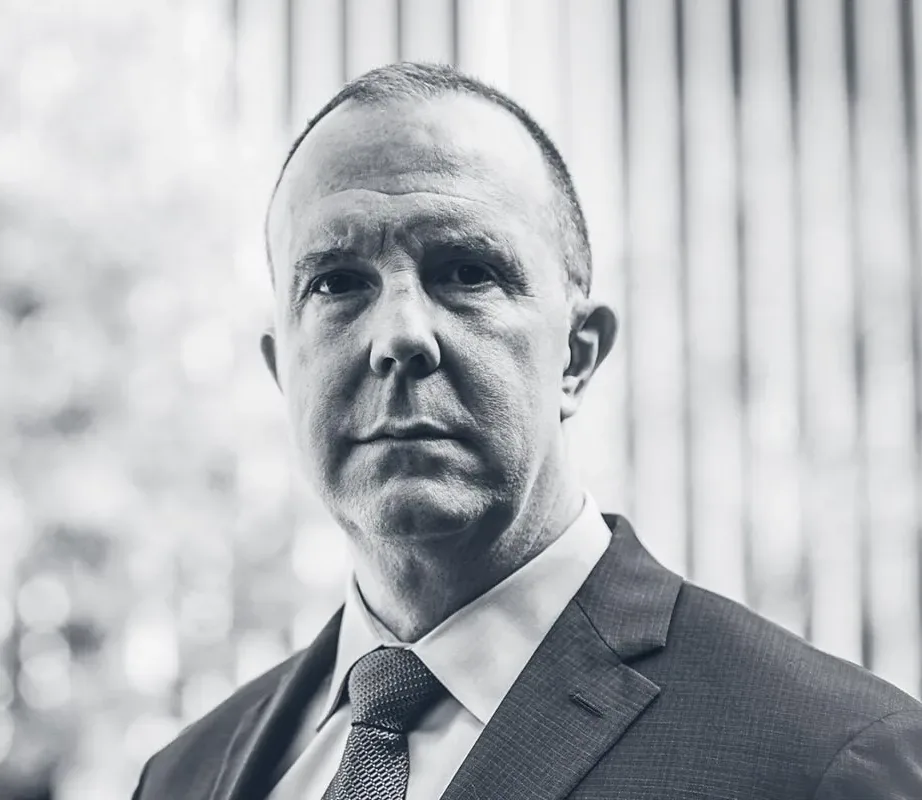
Jeff has been a practicing Michigan criminal lawyer, DUI attorney and driver’s license restoration lawyer for more than 30 years. He is passionate about winning and doing whatever it takes to accomplish that. He understands that a pending criminal or DUI charge is stressful and that being unable to legally drive is a huge problem.
Can I Refuse a Breathalyzer or Blood Test in Macomb County?

You can refuse a breathalyzer test in Macomb County, but that decision comes with immediate consequences under Michigan law. A refusal does not end a DUI investigation, and it can trigger separate penalties even if you are never convicted. Knowing how refusal rules work and when they apply can affect both your driver’s license and the direction of your case.

Michigan’s Implied Consent Law, Explained Simply

When you drive on Michigan roads, you agree in advance to chemical testing if police have legal grounds to arrest you for drunk driving. This is known as implied consent under Michigan law.

Implied consent applies after an arrest. It does not mean you must submit to every test an officer requests during a traffic stop. The timing matters.

Under this law:

  • Refusing a post-arrest chemical test triggers an automatic license suspension
  • The Secretary of State handles license sanctions, separate from the DUI case
  • These penalties apply even if the DUI charge is later dismissed

Breathalyzer at the Roadside vs. After Arrest

One of the most common points of confusion is the difference between roadside testing and post-arrest testing.

Roadside breath tests

  • Often called preliminary breath tests, or PBTs
  • Used to help an officer decide whether to make an arrest
  • Most drivers may legally refuse without automatic license penalties

Post-arrest chemical tests

  • Usually administered at the police station or a medical facility
  • Covered by implied consent rules
  • Refusal leads to mandatory sanctions

Refusing a roadside test is very different from refusing a post-arrest test, and mixing the two up can lead to costly mistakes.

What Happens If You Refuse a Breathalyzer or Blood Test After Arrest?

Refusing a post-arrest breath, blood, or urine test sets off a separate legal process. The penalties are imposed through the Secretary of State, not the criminal court.

For a first refusal, you may face:

  • Automatic one-year driver’s license suspension
  • Six points added to your driving record
  • Use of the refusal as evidence in your DUI case

If you have a prior alcohol-related offense within seven years, the consequences are more severe and can include a longer revocation period.

Can Police Still Test You If You Refuse?

Absolutely, and they almost always do.

Police can seek a warrant to obtain a blood sample if they believe evidence will be lost due to delay. Refusal does not guarantee that chemical evidence will never be collected. It simply adds another legal layer to the case.

That means you could still face:

  • Chemical test results obtained through a warrant
  • Separate license penalties for refusal
  • A DUI prosecution moving forward at the same time

Does Refusing Ever Help a DUI Defense?

Refusal is not automatically a bad decision, but it is never a simple one.

In some cases, refusal limits the prosecution’s access to specific evidence. In others, it creates new problems, including license suspension and negative inferences at trial.

We look closely at factors such as:

  • Whether the arrest itself was lawful
  • Whether implied consent warnings were properly given
  • Whether the refusal process followed required procedures
  • Whether a warrant was obtained and executed correctly

Every detail matters, and refusal cases often turn on technical compliance rather than assumptions.

Can You Fight a Breathalyzer Refusal Suspension?

Yes. You have the right to request an implied consent hearing to challenge the license suspension. In most cases, you must request the hearing within 14 days of receiving the refusal notice. These hearings move quickly and focus on narrow legal issues, including whether the officer had valid grounds for the arrest and whether you were properly advised of your rights.

Missing the deadline to request a hearing can mean losing your license by default, even if defenses exist.

The good news is that even if you don’t request a hearing, or you do, but don’t win at that hearing, you can still go to circuit court and request a hardship license.

What to Do If You Are Facing a Refusal Case

If you refused a breathalyzer test, acting early gives you more options. Refusal cases involve two tracks, the DUI charge and the administrative license action, each with its own deadlines and standards.

We help clients by:

  • Reviewing the stop, arrest, and refusal step by step
  • Challenging improper procedures and warnings
  • Representing drivers at implied consent hearings
  • Building a defense strategy that addresses both tracks together

Making Informed Decisions After a Breathalyzer or Blood Test Refusal

A breathalyzer or blood test refusal in Macomb County is a legal decision with lasting effects. If you are dealing with a refusal or trying to understand your options after an arrest, we can help you assess the situation and protect your rights.

Contact Jeffrey Randa and Associates to discuss your breathalyzer or blood test refusal and DUI defense options. Early guidance can shape how your case moves forward and what outcomes remain available.

About the Author
Jeff has been a practicing Michigan criminal lawyer, DUI attorney and driver’s license restoration lawyer for more than 30 years. He is passionate about winning and doing whatever it takes to accomplish that. He understands that a pending criminal or DUI charge is stressful and that being unable to legally drive is a huge problem.
Attorney Advertising
Website developed in accordance with Web Content Accessibility Guidelines 2.2.
If you encounter any issues while using this site, please contact us: 586.465.1980